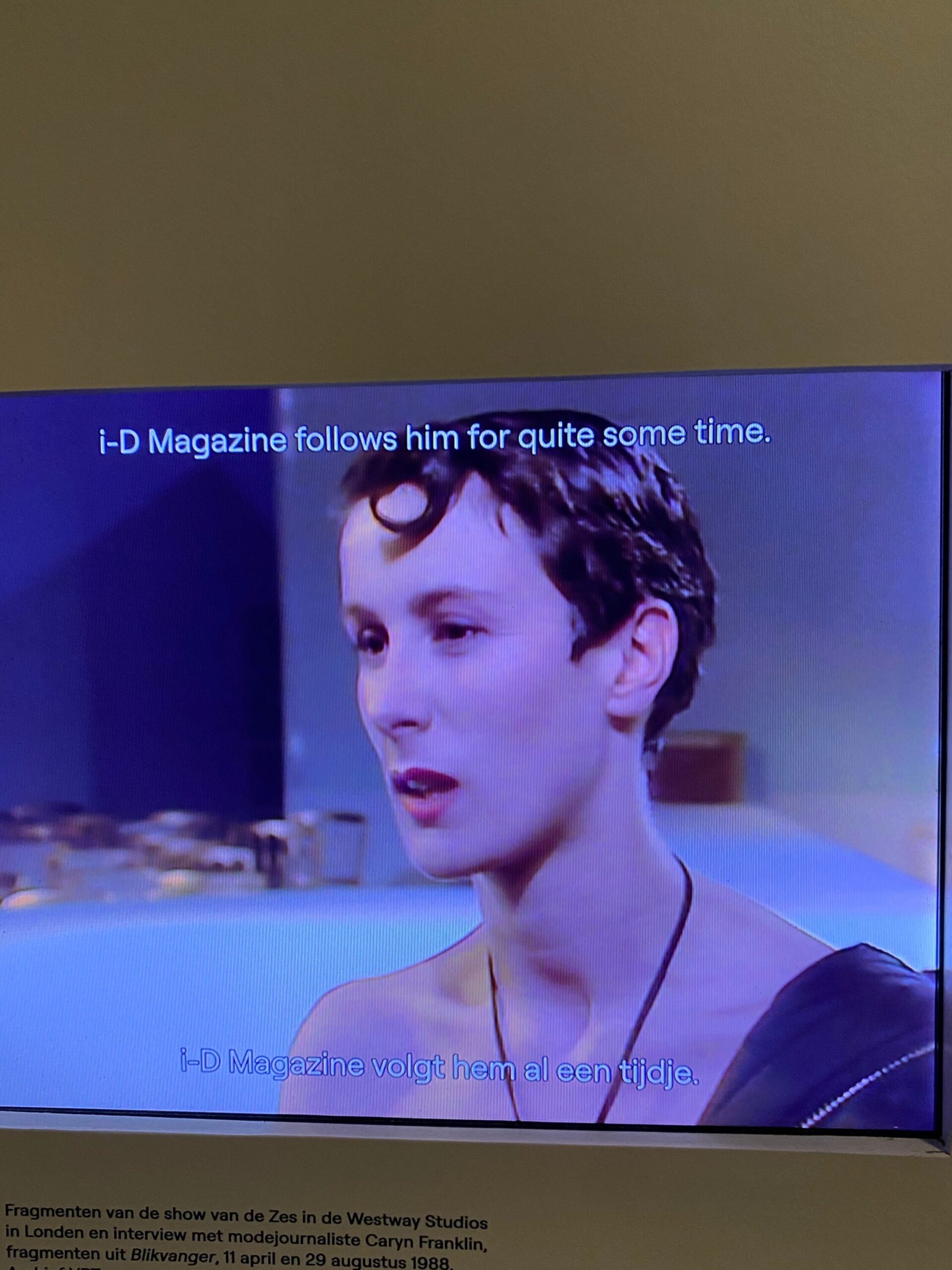
So, the story of the Six begins in 1986: Walter Van Beirendonck, Marina Yee, Ann Demeulemeester, Dirk Van Saene, Dries Van Noten, and Dirk Bikkembergs. Six students from Antwerp’s Royal Academy of Fine Arts rent a van, drive to London, and attend the British Art Exhibition. Their booth is on the top floor, away from customers and hustlers. Yee prints pamphlets: LET’S LOOK AT YOU REAL BELGIAN PEOPLE. People come. No one can call their names, so what sticks is the work—and the catchy logo: Antwerp Six. They show in London five seasons over three years, never working as a group, but quickly becoming a force. Antwerp is gaining popularity beyond linen and textiles. Belgium continues to produce designers who shape the world fashion industry-Raf Simons, Demna, Haider Ackermann, Glenn Martens, Meryll Rogge, Anthony Vaccarello, Matthieu Blazy, among them.
It’s Antwerp, very early in the morning (like 6am) because the bars were already closed when the vernissage ended. Fortunately, the museum has two opening nights, and the second is for the fashion crowd, including the Six (minus Bikkembergs, who were not shown, and Yee, who died last year), as well as Raf Simons, Diane Pernet, Suzy Menkes, Etienne Russo, and others. They shouldn’t want the press asking questions about “shampoo” (read: champagne), but I’m still sneaking (free drinks).
It touched people’s emotions. “It gives me hope,” an elderly German journalist tells me later. It reminds me that fashion is not just fashion and gossip.
Speaking of, Ann Demeulemeester—egregia maestra—exits just as a sultry, kohl-rimmed, smoky-eyed orchestra waits to enter. Too many people. There’s my selfie.
Yerrrrrr.
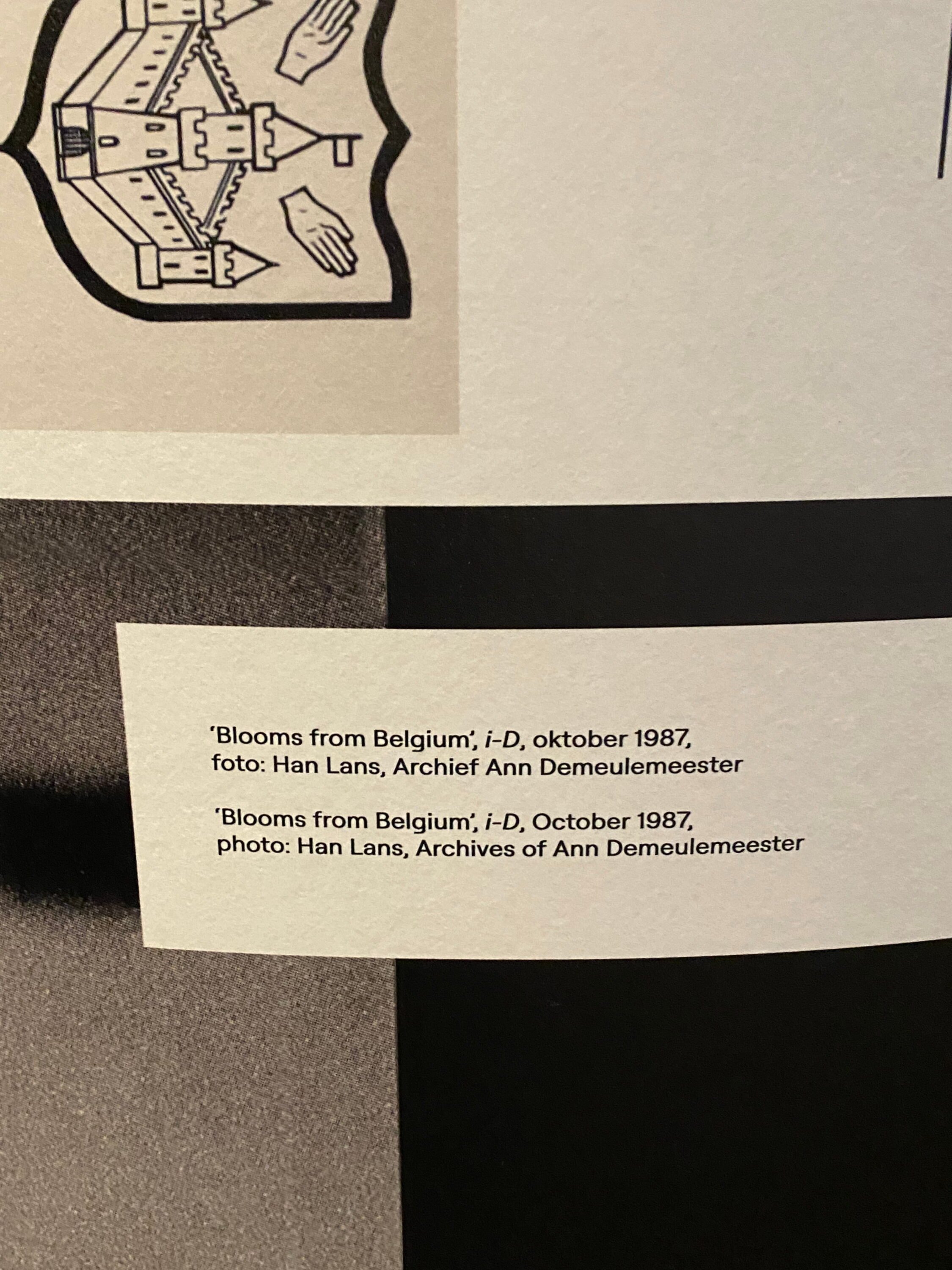
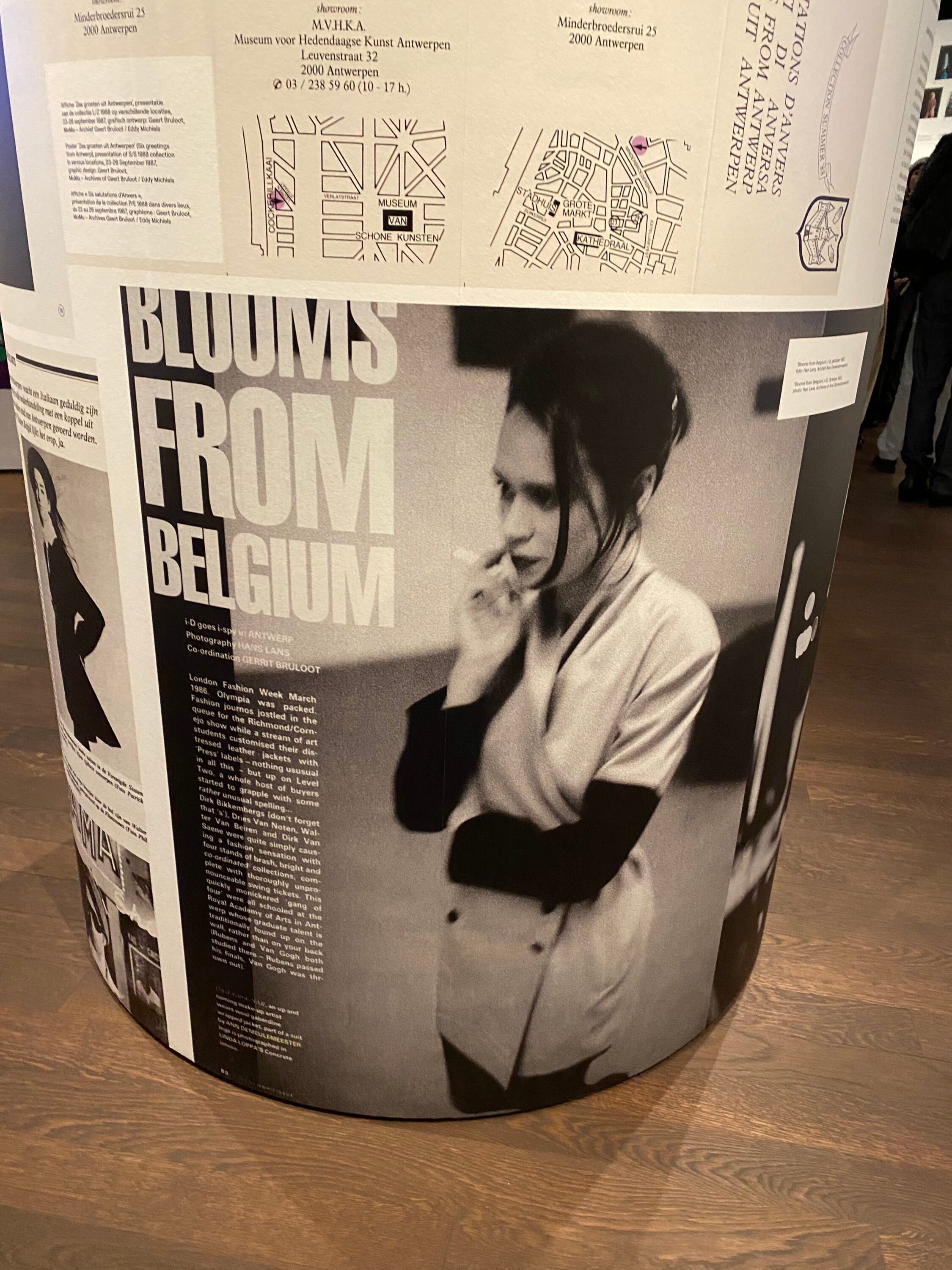
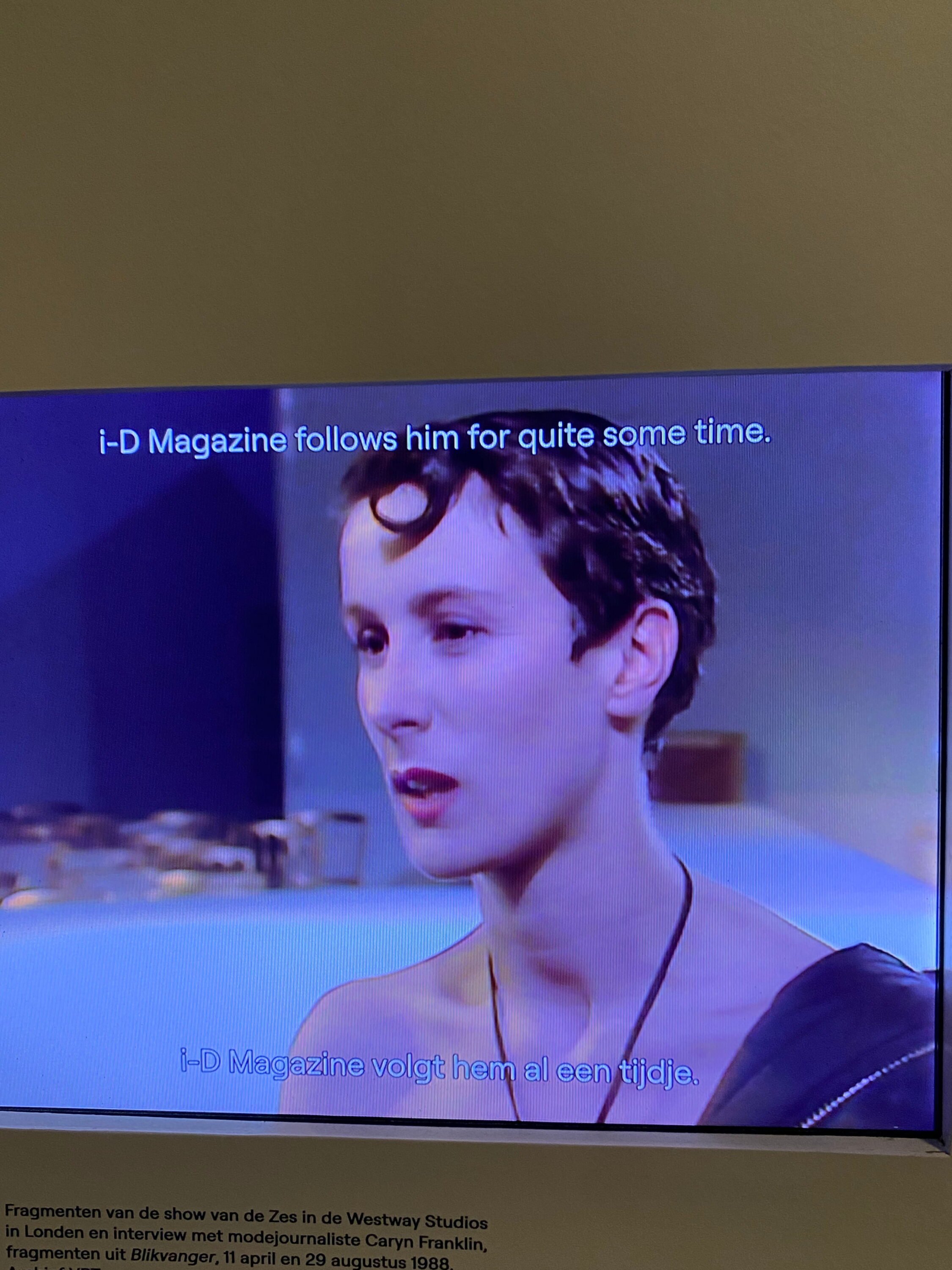
The first room is a chronology, like a three-dimensional storyboard of magazine and press releases, invitations, pictures of their old booths, Halloween parties, fabric swatches, pictures, iD’s explosive 1987 article called “Blooms from Belgium,” and an interview with former iD fashion editor Caryn Franklin.
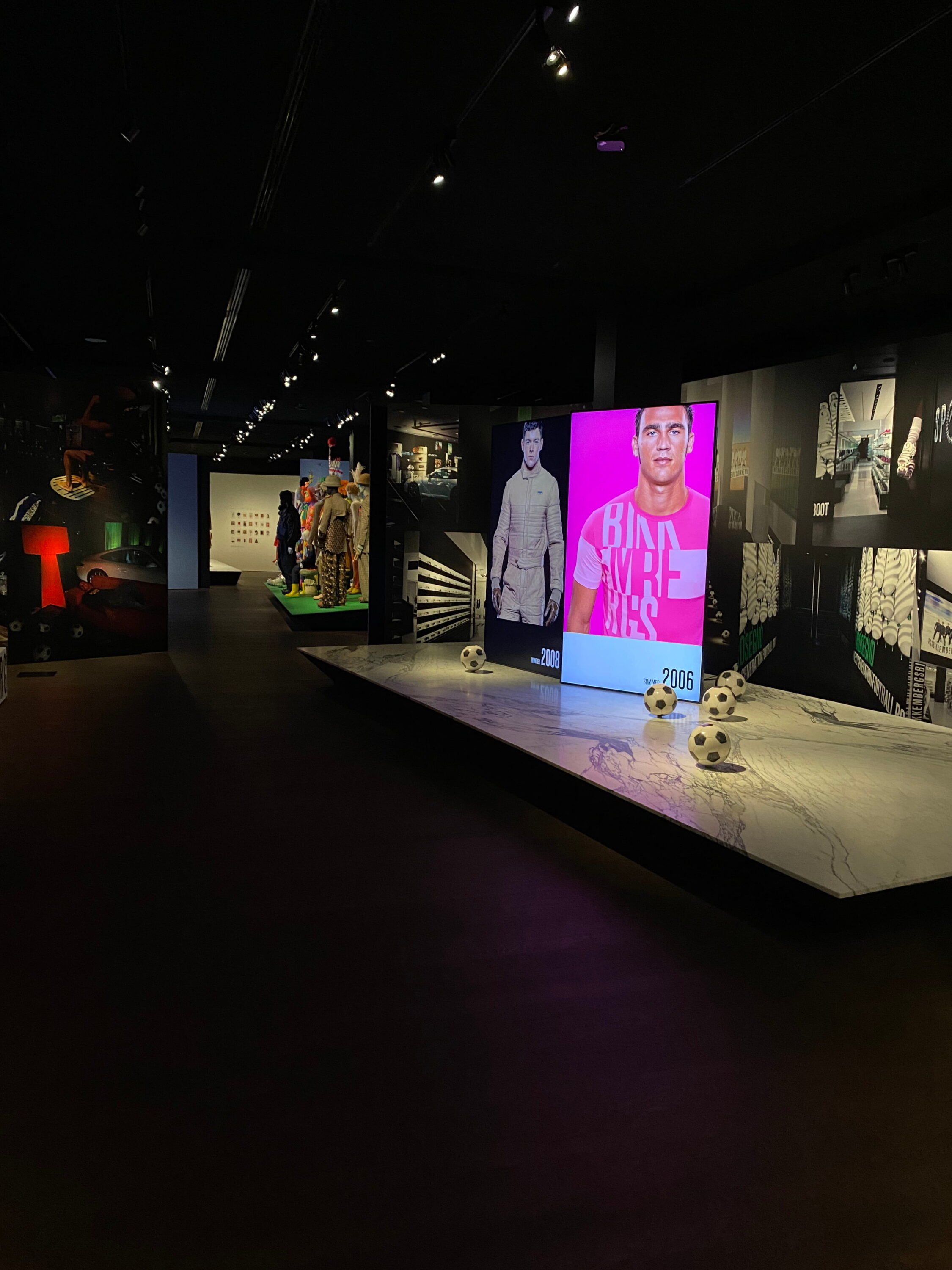
Then suddenly: balls.
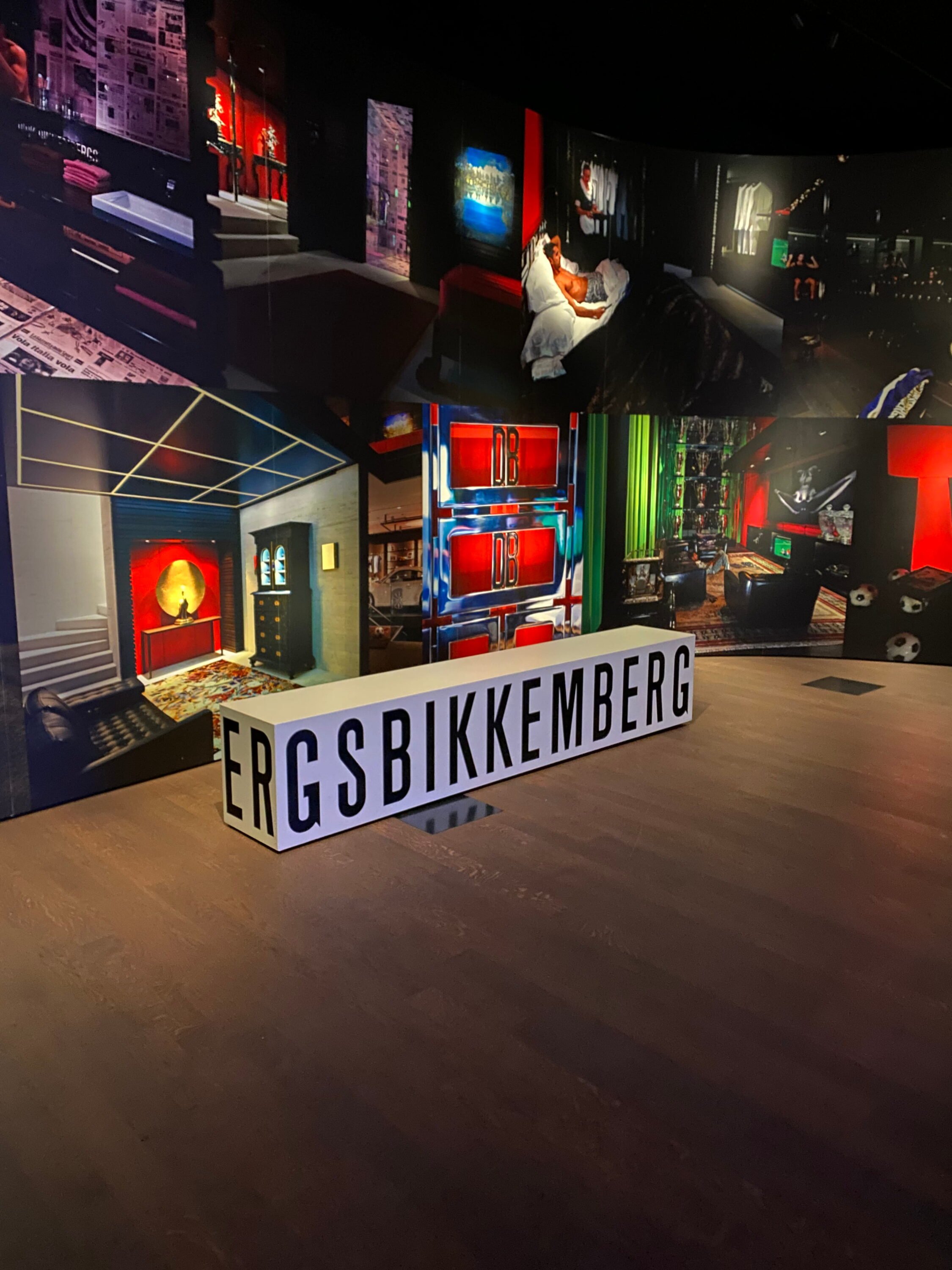
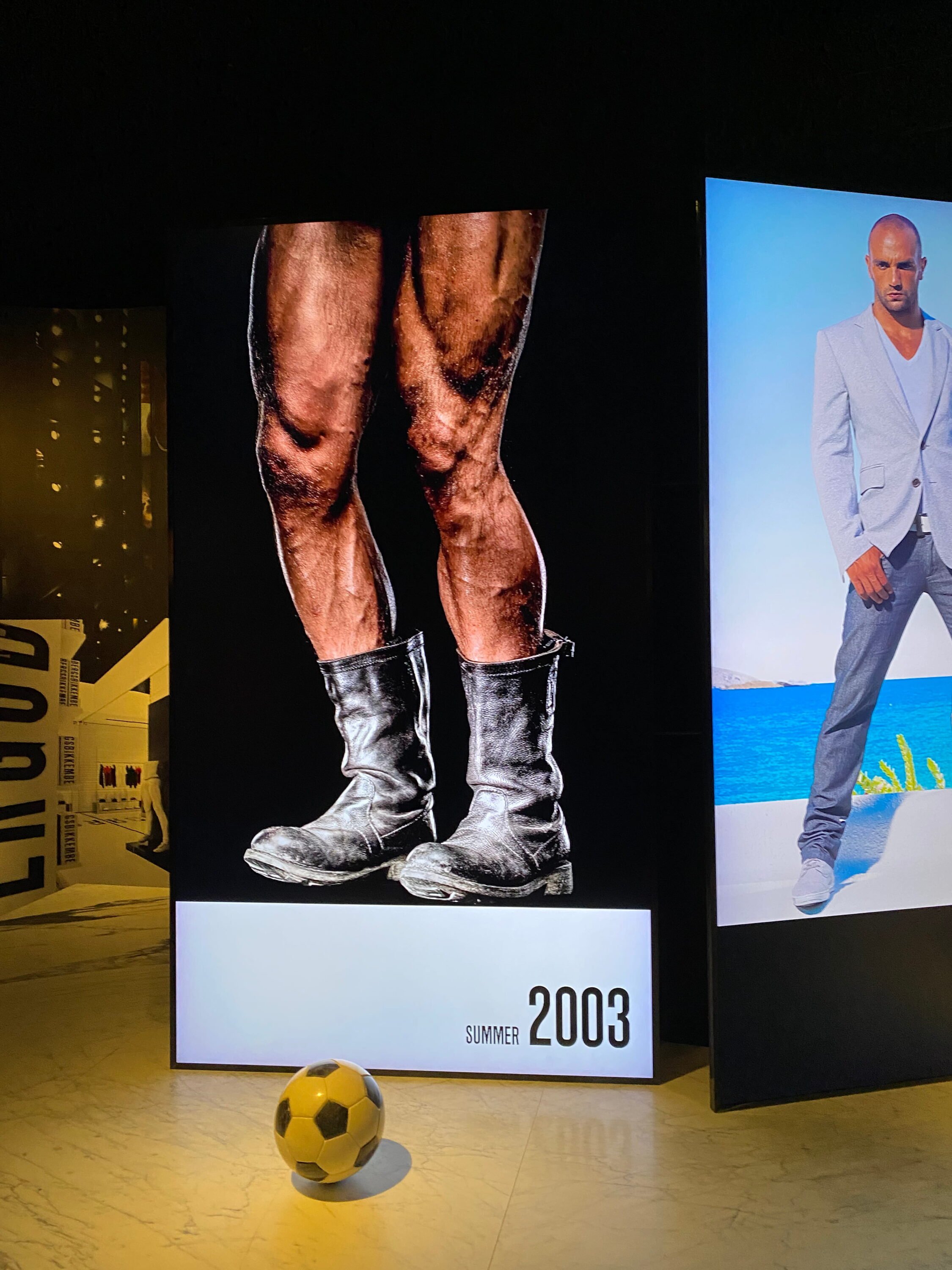
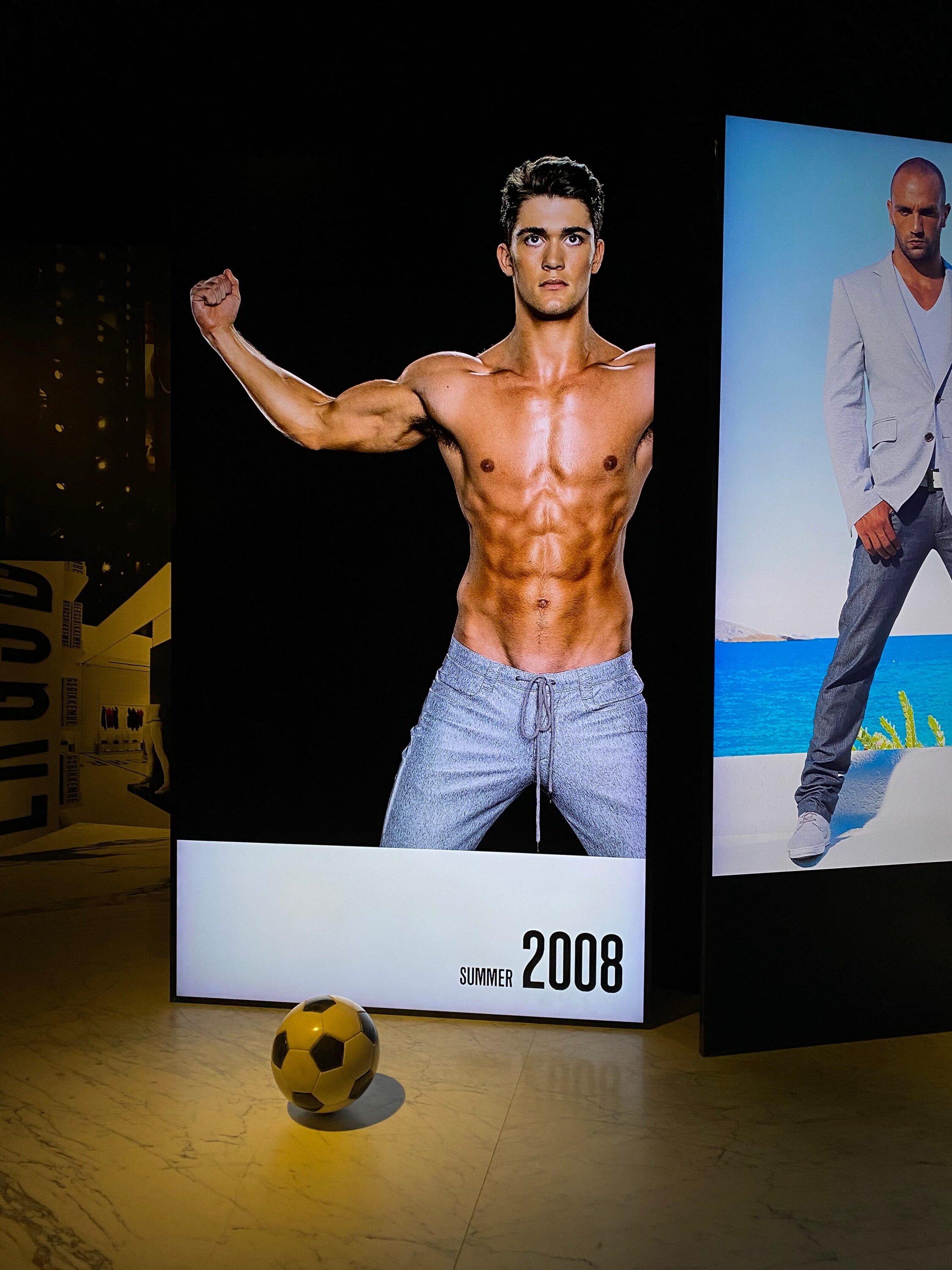
Marble games from Dirk Picture of Bikkembergs Fall 2008-09 show sit on the marble floor. Bikkembergs was one of the first to combine the comfort of sportswear and fashion, and his image is all the appeal of sex: oiled muscles, dopamine, raunch, sweat, body, men. Two large photographs show his favorite models, shot by Luc Willame, co-founder of the house. There are no clothes in this room—Bruloot says it speaks to the experiential side of his fashion: “The images highlight the history of his work, athletes, models, and how he viewed the male body as the basis of his designs.” On the other hand, the photos of his Milan game are like an athlete’s game – exercise, Porsche, children and work.
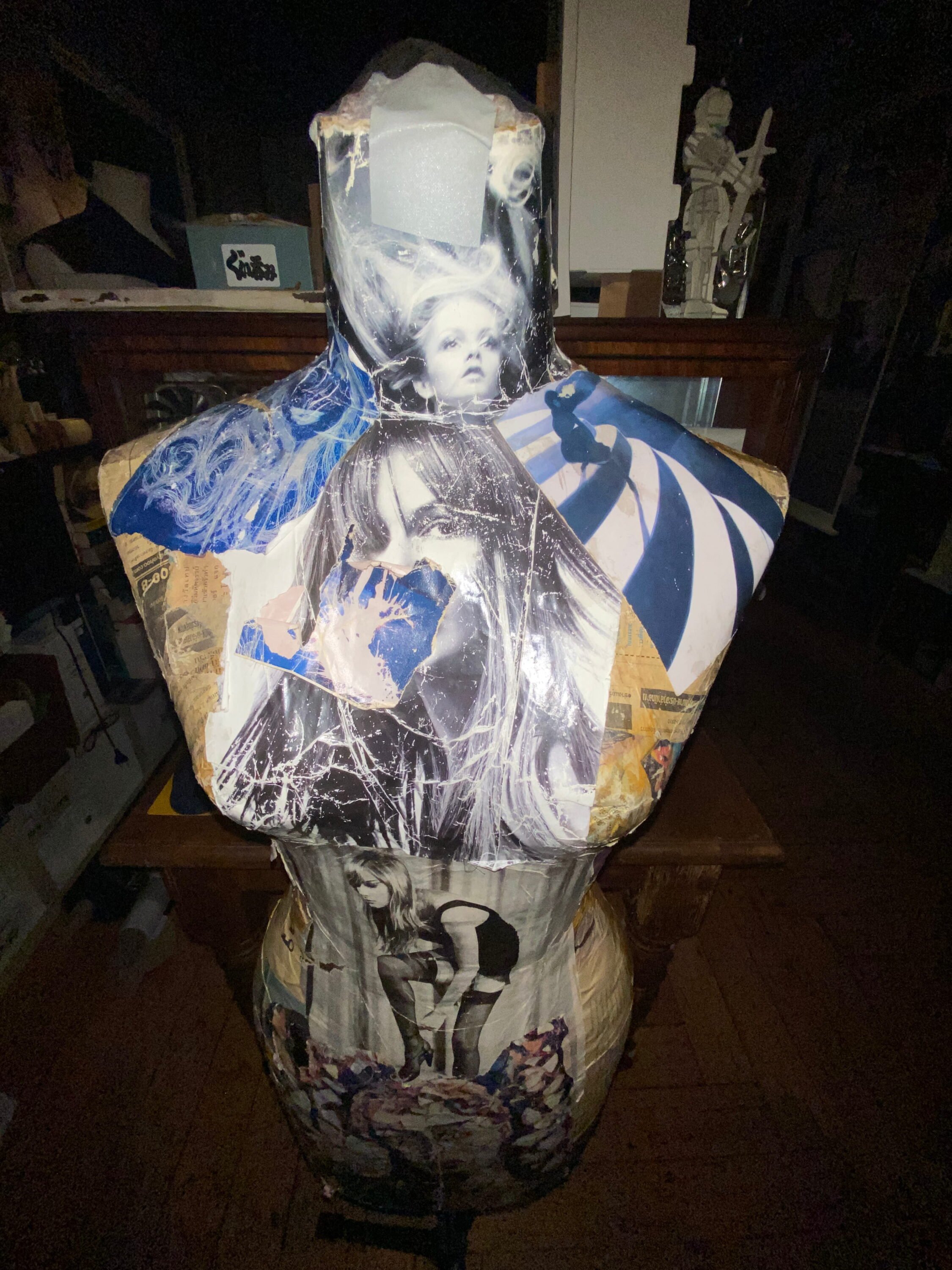
This show is still very important. Organized by Geert Bruloot (who helped bring them together 40 years ago) and MoMu’s Romy Cockx, the program invites each composer to create their own space, capturing their unique personality as they push against the convention-rawer, guest, extra brain. Watch here: Six Belgian worlds collide on one floor.
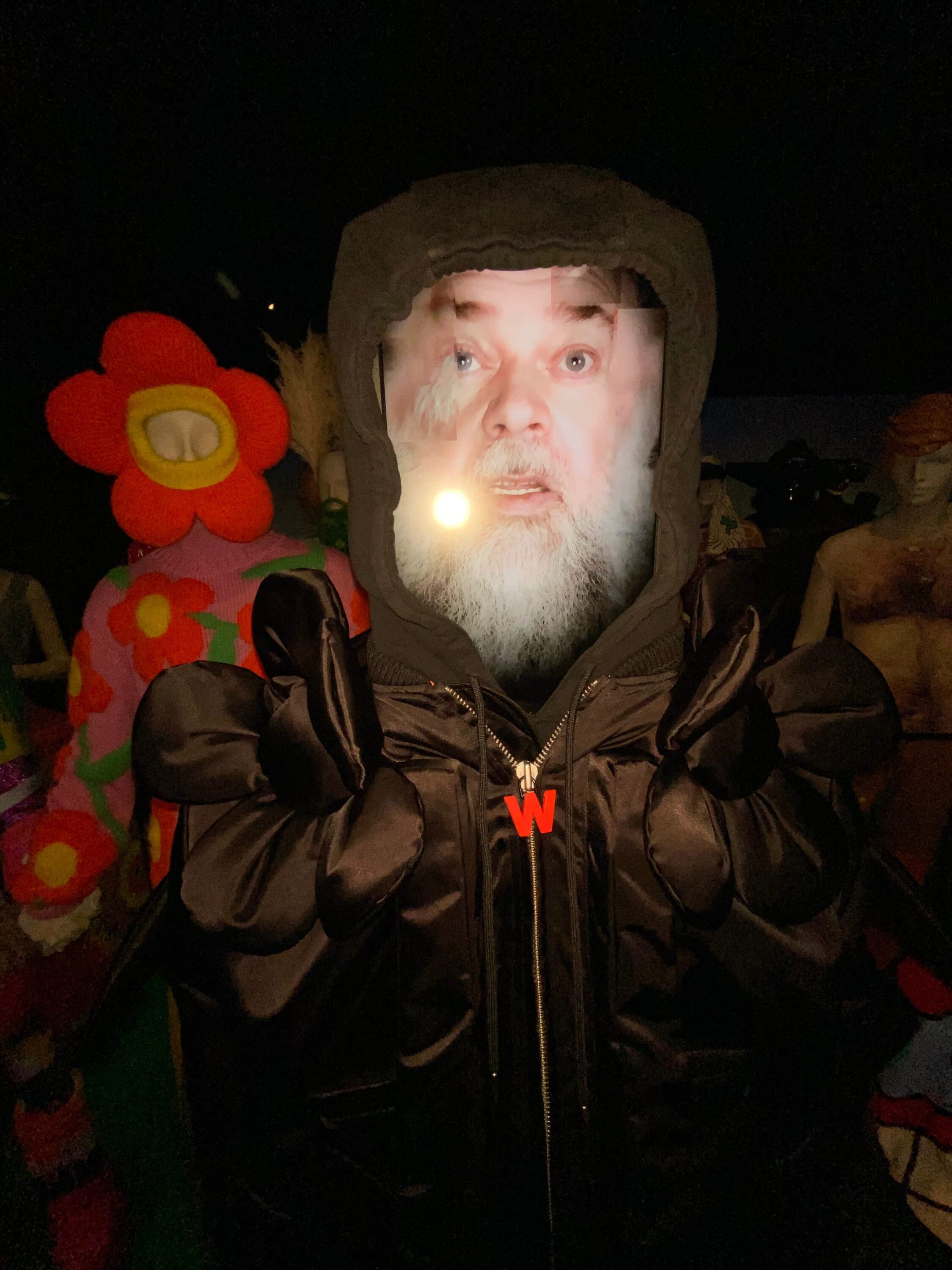
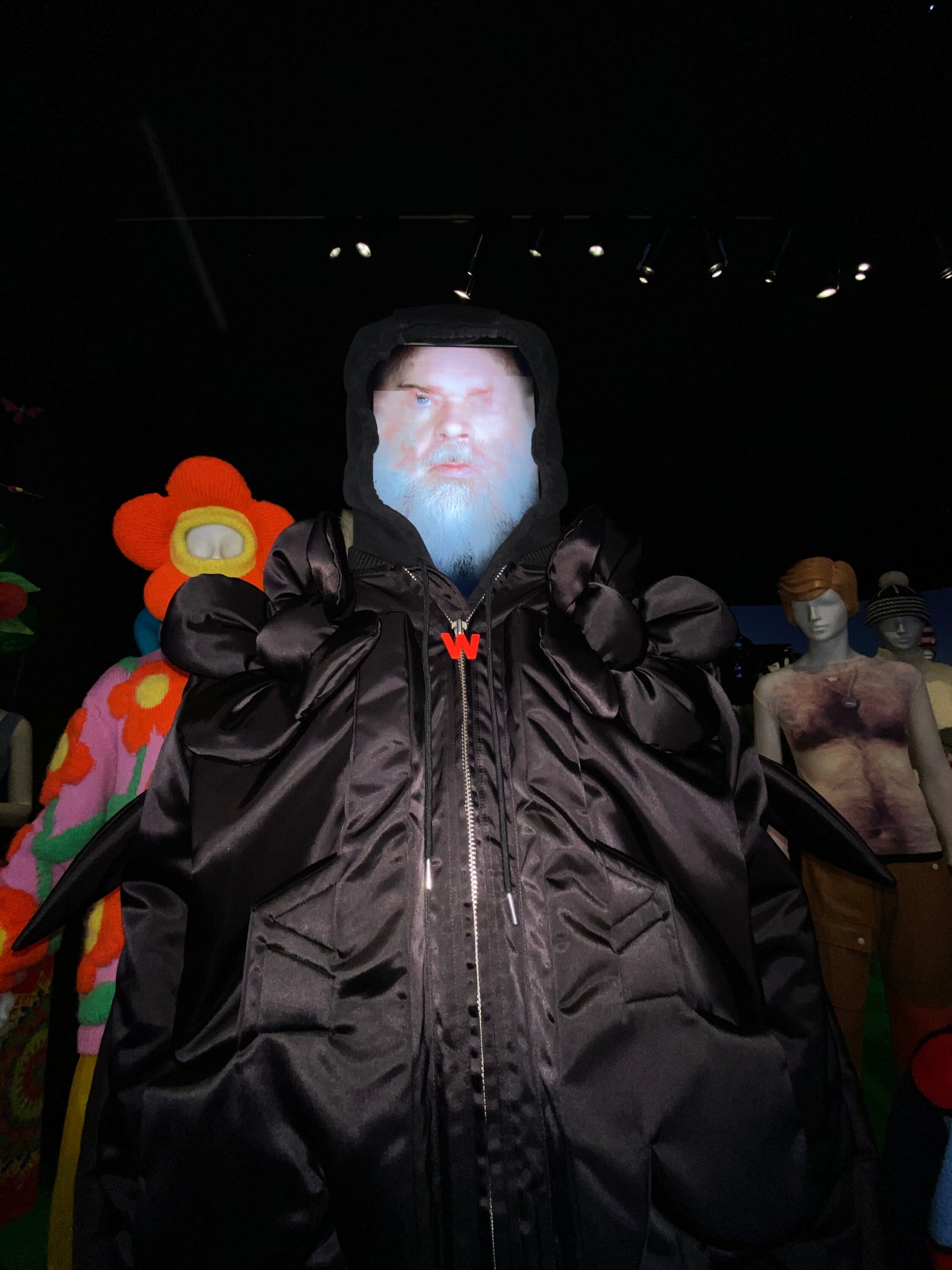
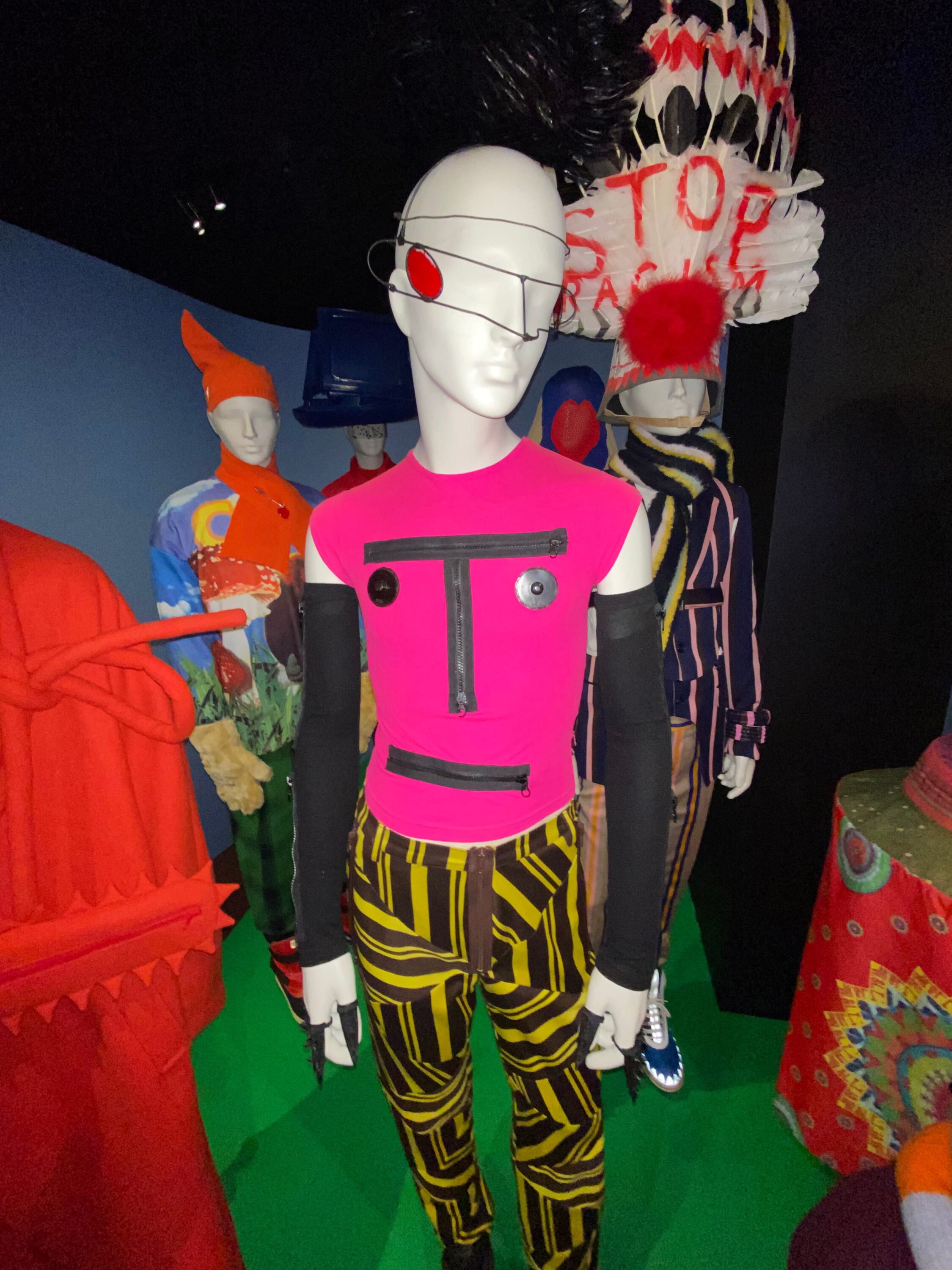
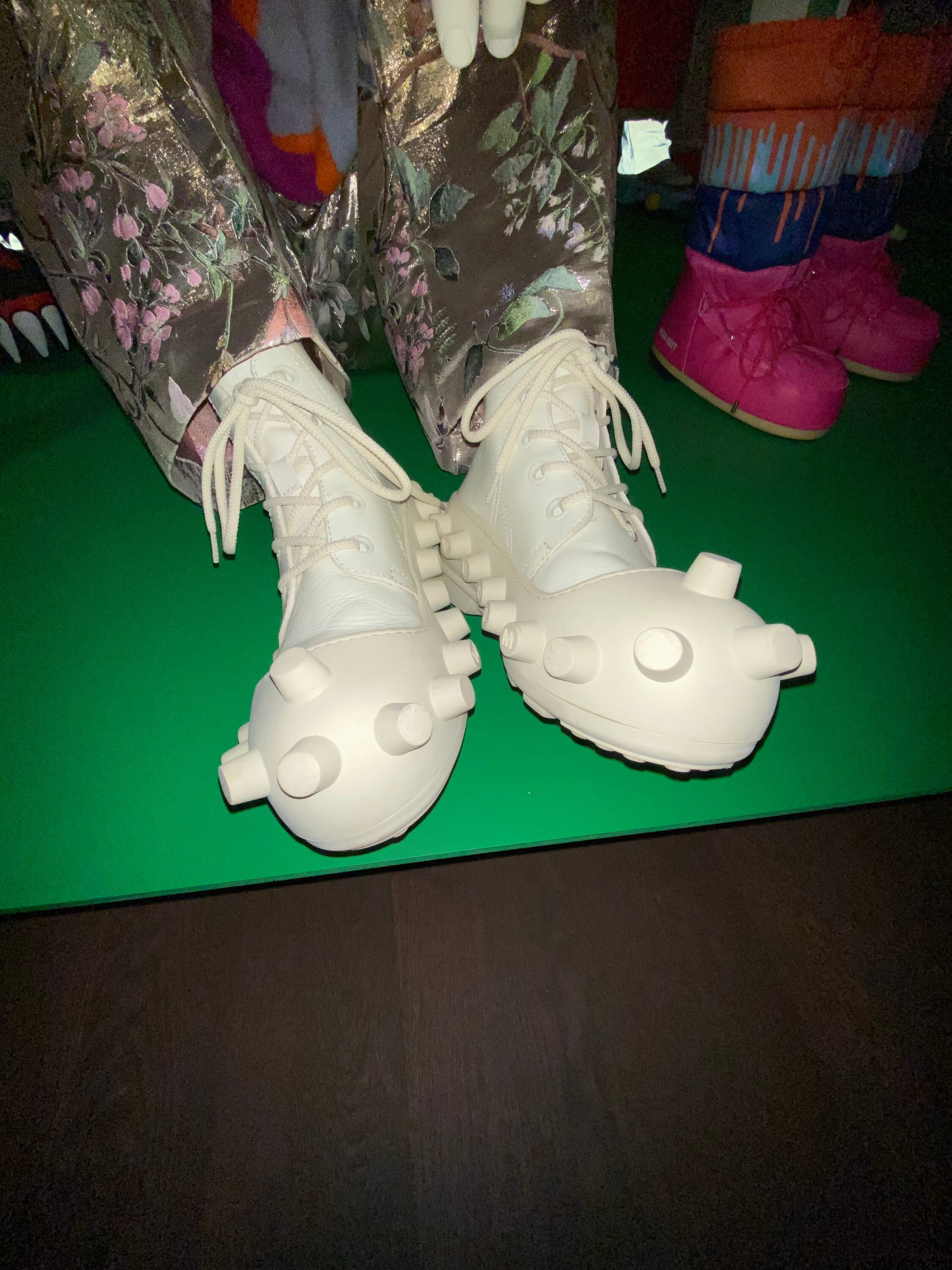
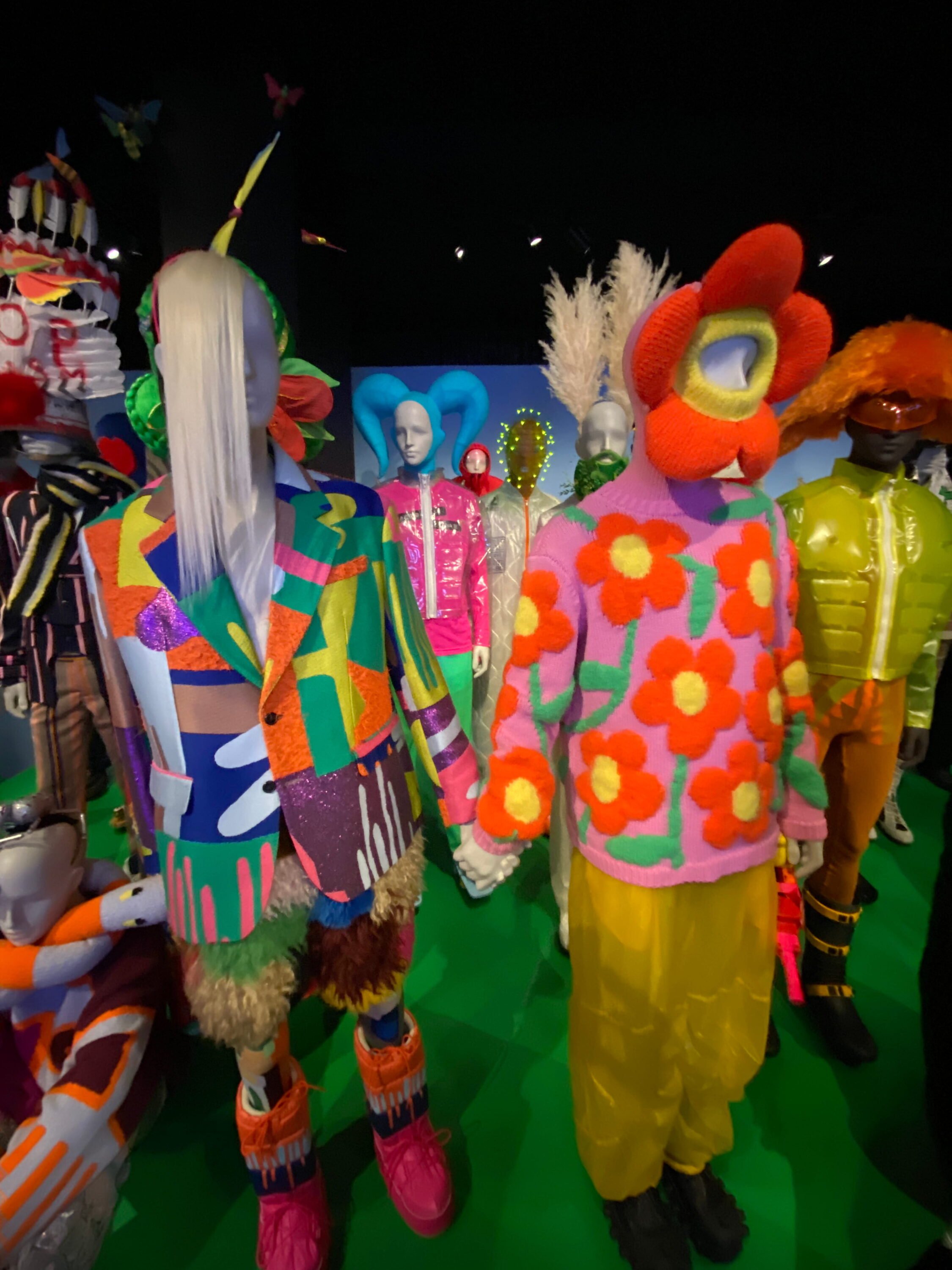
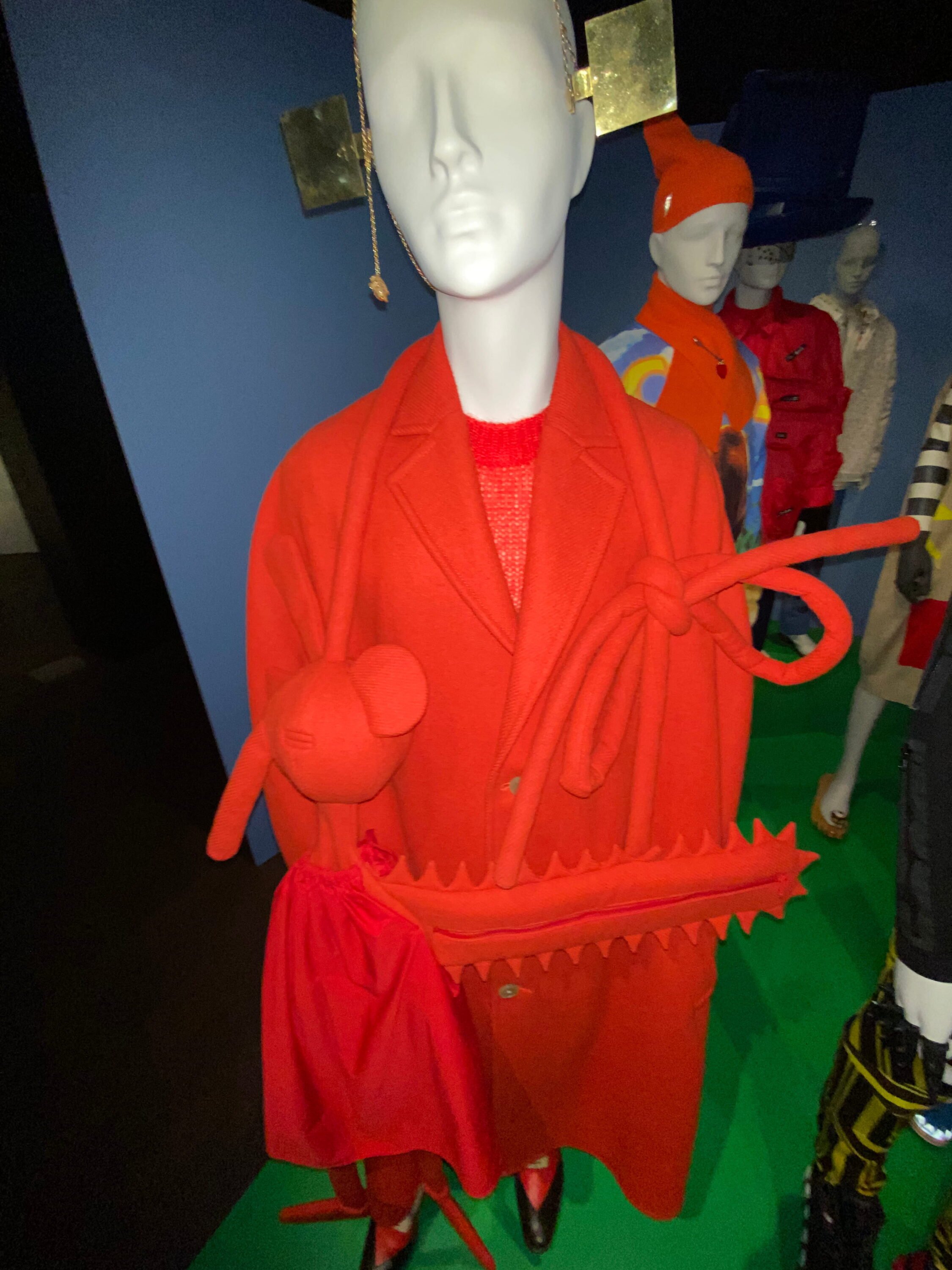
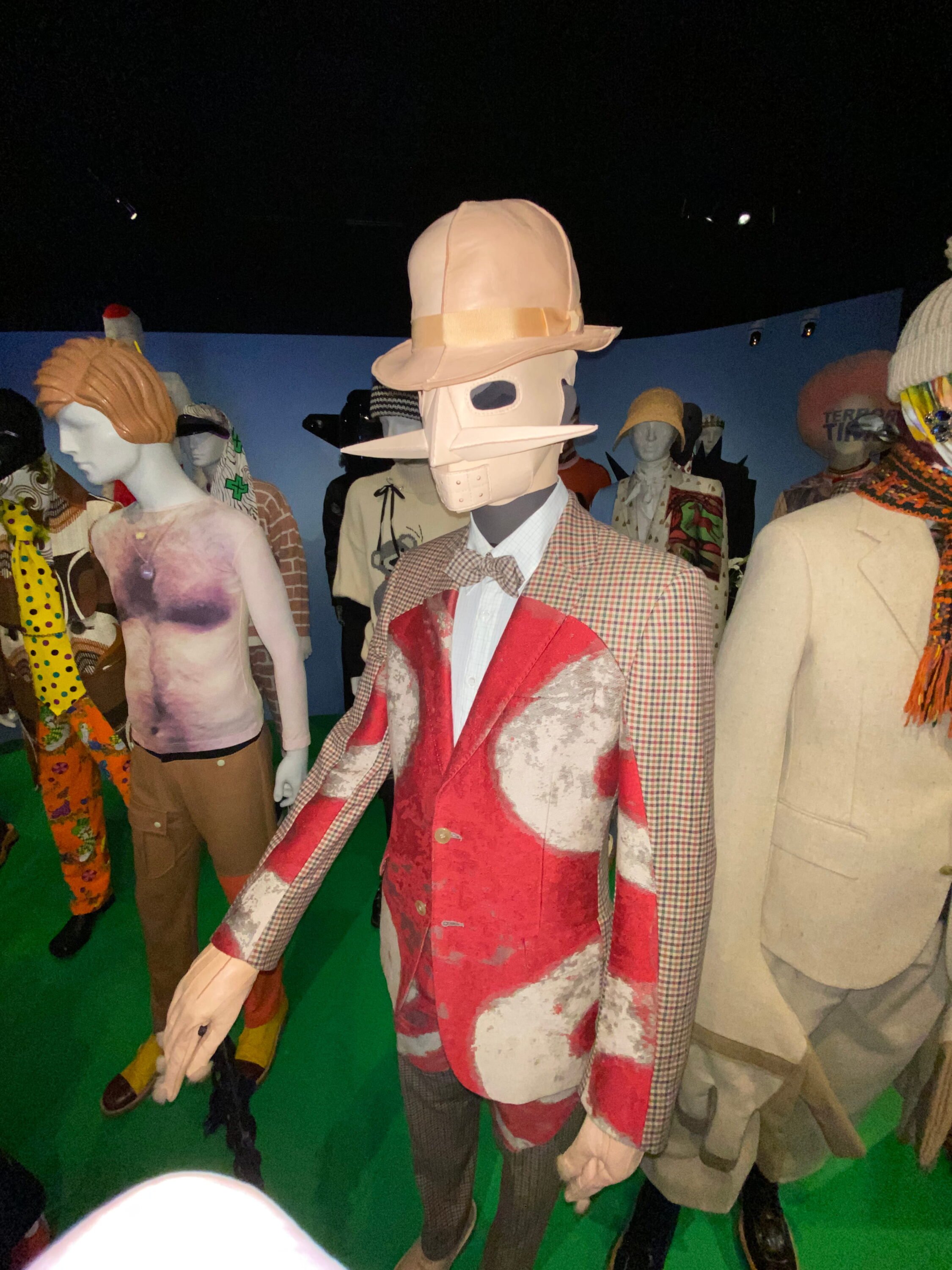
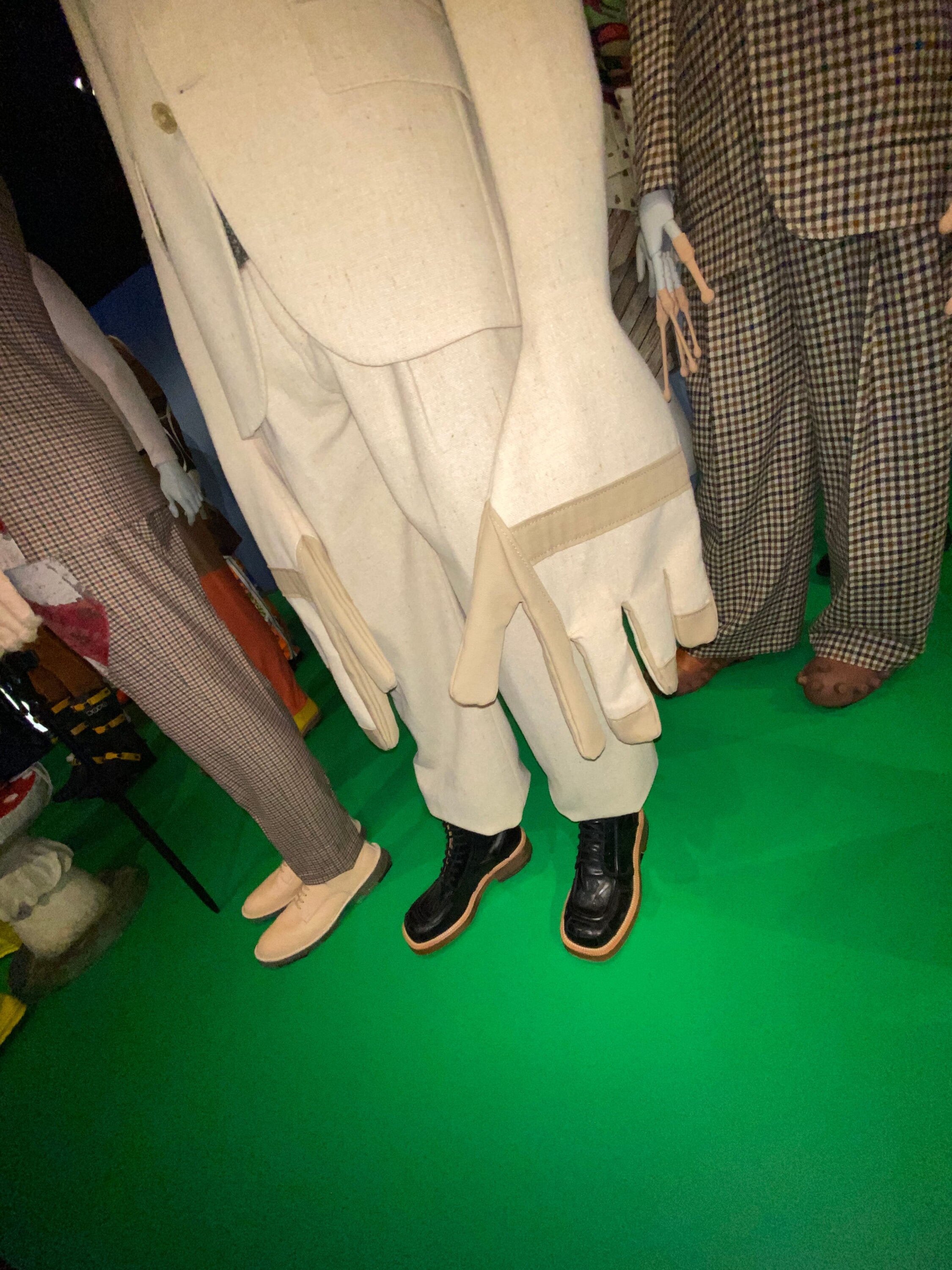
Now it comes Walter Van Beirendonck. Pop. There is no mistake. The only one of the Six who still produces collections, his energy is playful, transcendent, different, and infectious. Puk Puk, his recurring cartoon character, pops up on screen (yes, including his dick), with flashbacks from the past – one even mentions Beirendonck’s face. Courage. Radical. Public prosecution. An acid trip of shapes you wouldn’t expect from a boot or blazer. Also: big, big-fingered gloves from Fall 2017.
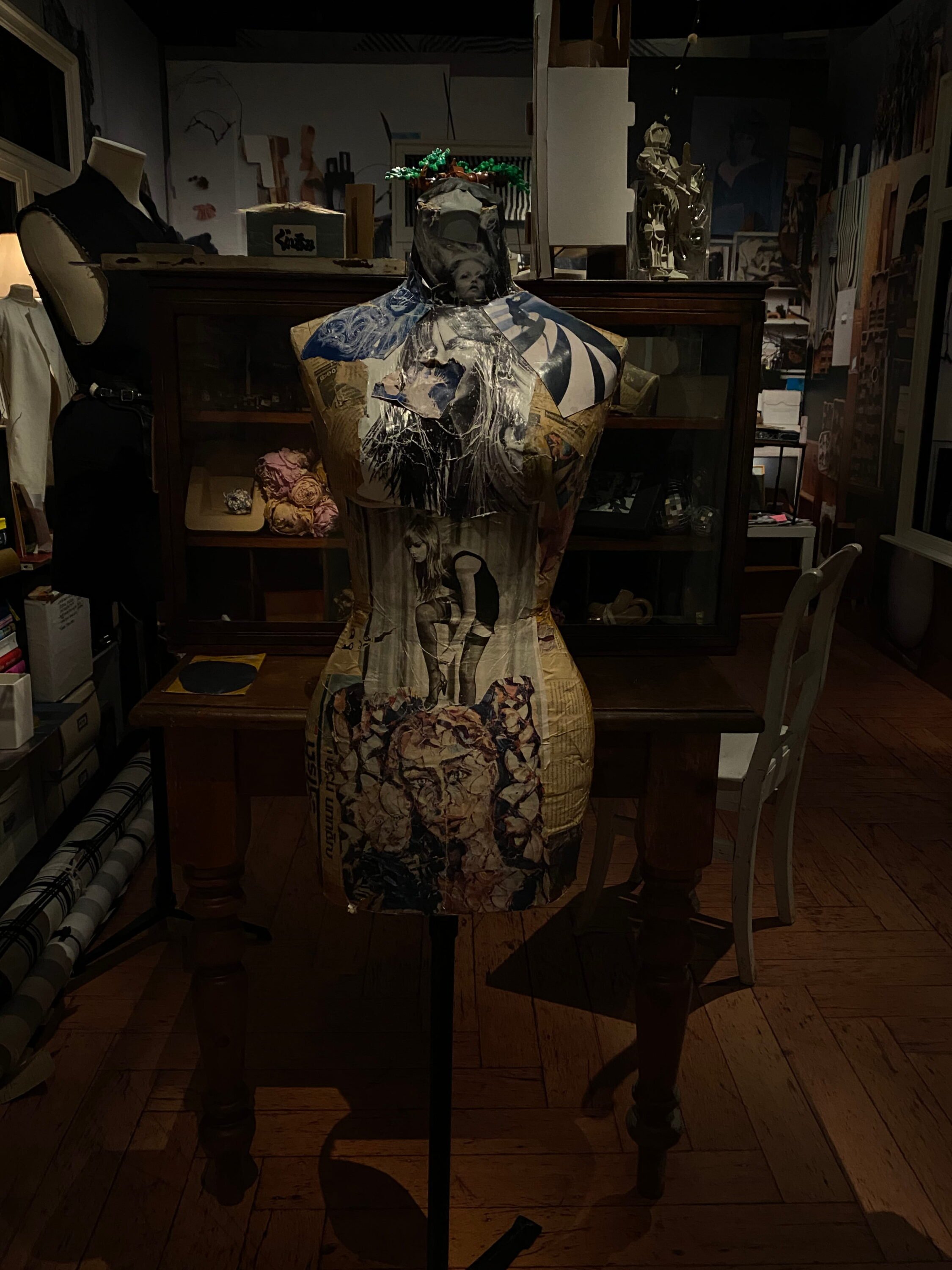
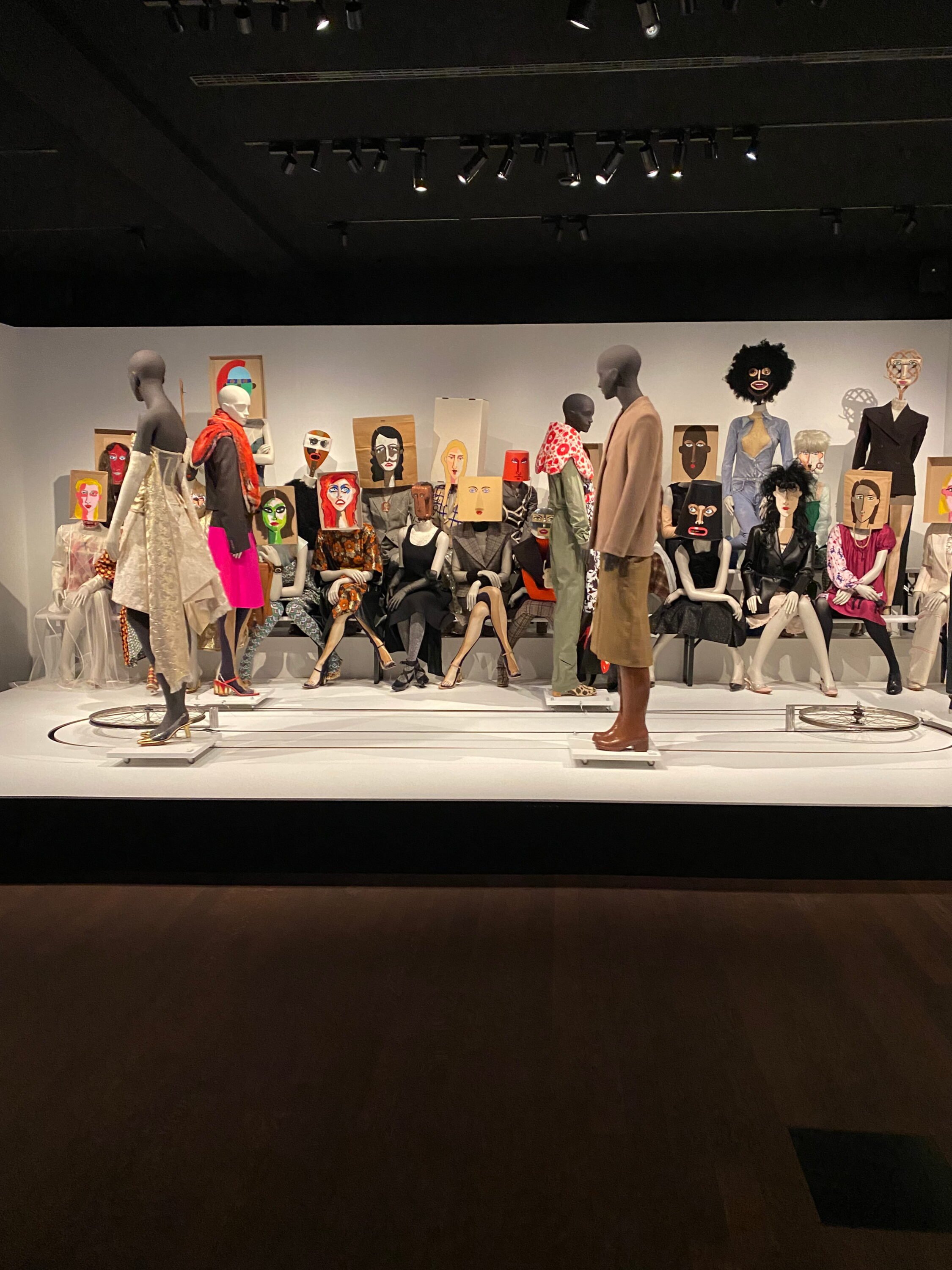
Next: Dirk Van Saene, my favorite part of the show. He left fashion in 2020 to devote himself to sculpture and ceramics, although his work has always relied on the surreal. A kind of surrealist mannequin sushi train, dressed in avant-garde clothes, moves around on a platform driven by horizontal bicycle wheels. Others sit and watch, their heads replaced by boxes, buckets, pot lids, paper bags and face-painted wallets—incredibly evocative of Sophie Taeuber’s Dada Dance. Between sewing and working properly, the site believes in LOST FOUNDtrompe l’œil, French couture, cabaret, and artists like Ellsworth Kelly: a tableau of immovable, judgmental spectators.
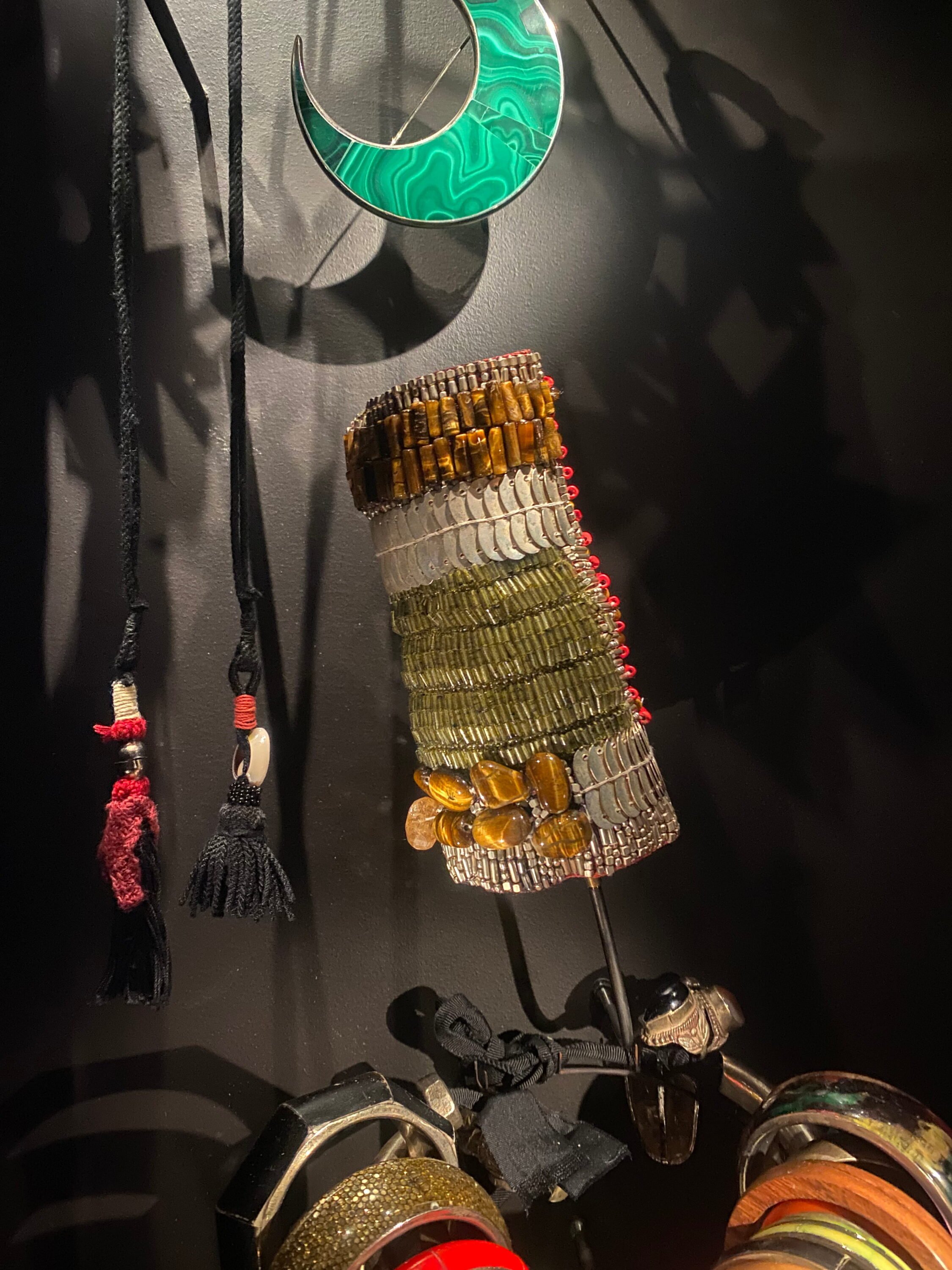
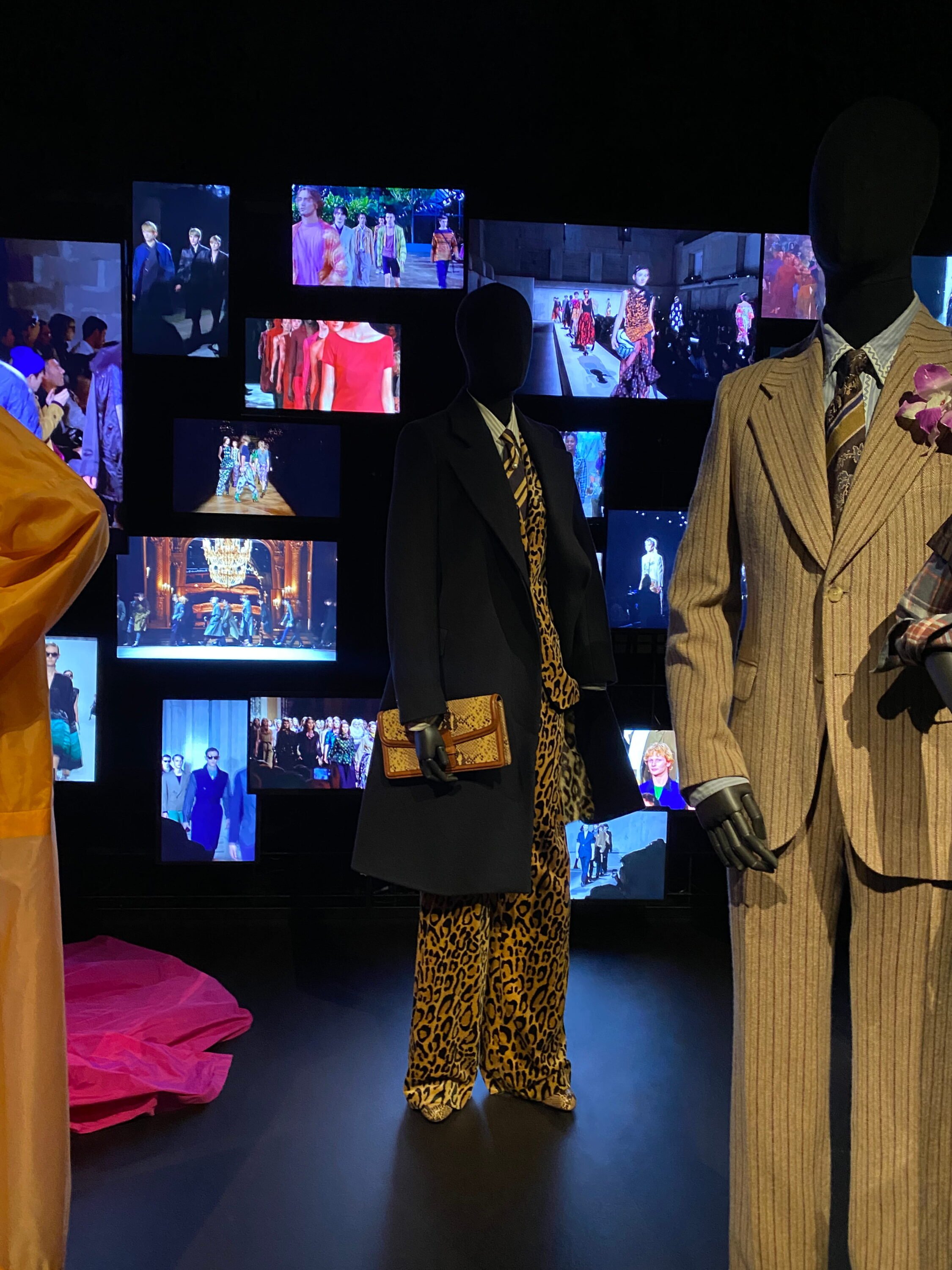
Then you are beautiful, warm, stoic Dries Van Noten: a wall of screens lowers the display results behind the lines of sight. The brand’s extraordinary elegance focuses on details, fabric, shape and color. They feel attractive, not oppressed, slightly deviant. Van Noten is smart and curious—not unlike Pieter Mulier, who just walked past me in a brown Prada leather and shearling jacket with fitted denim. There is a hidden jewelry compartment in the wall. “You hide jewelry until you wear it,” says Bruloot. “So I hid it, you know?” Of course.
“Yeah, make people work!”
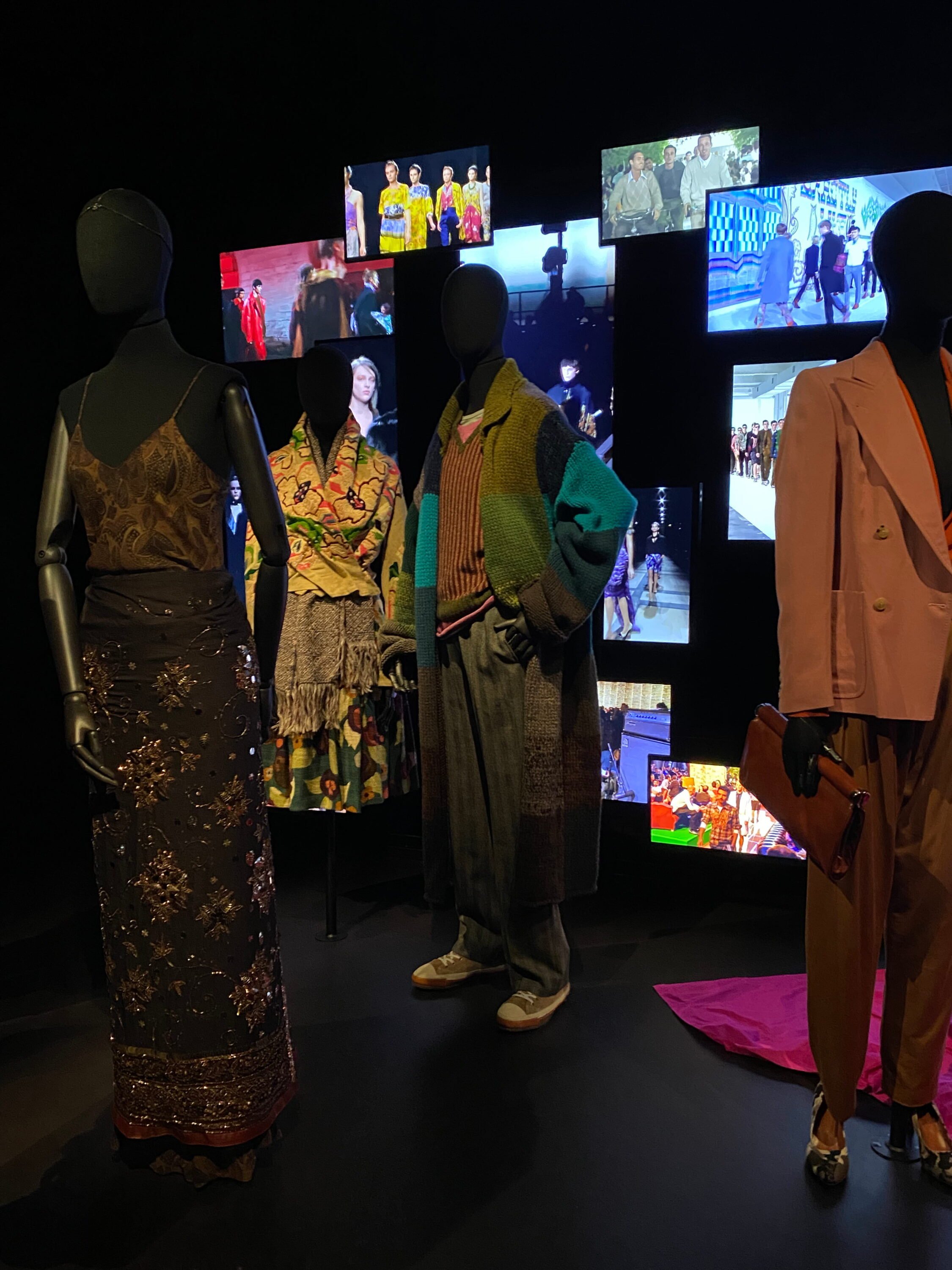
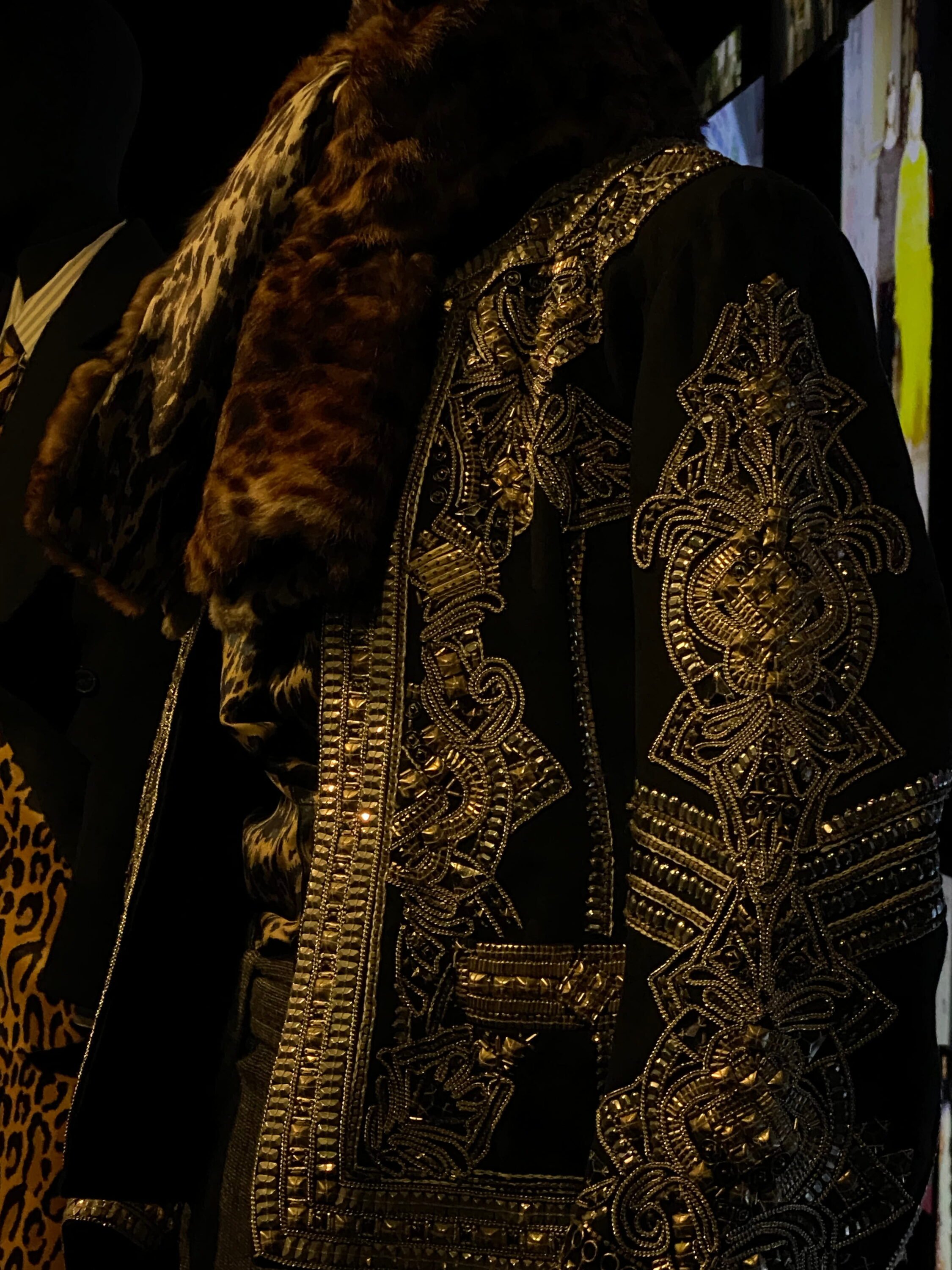
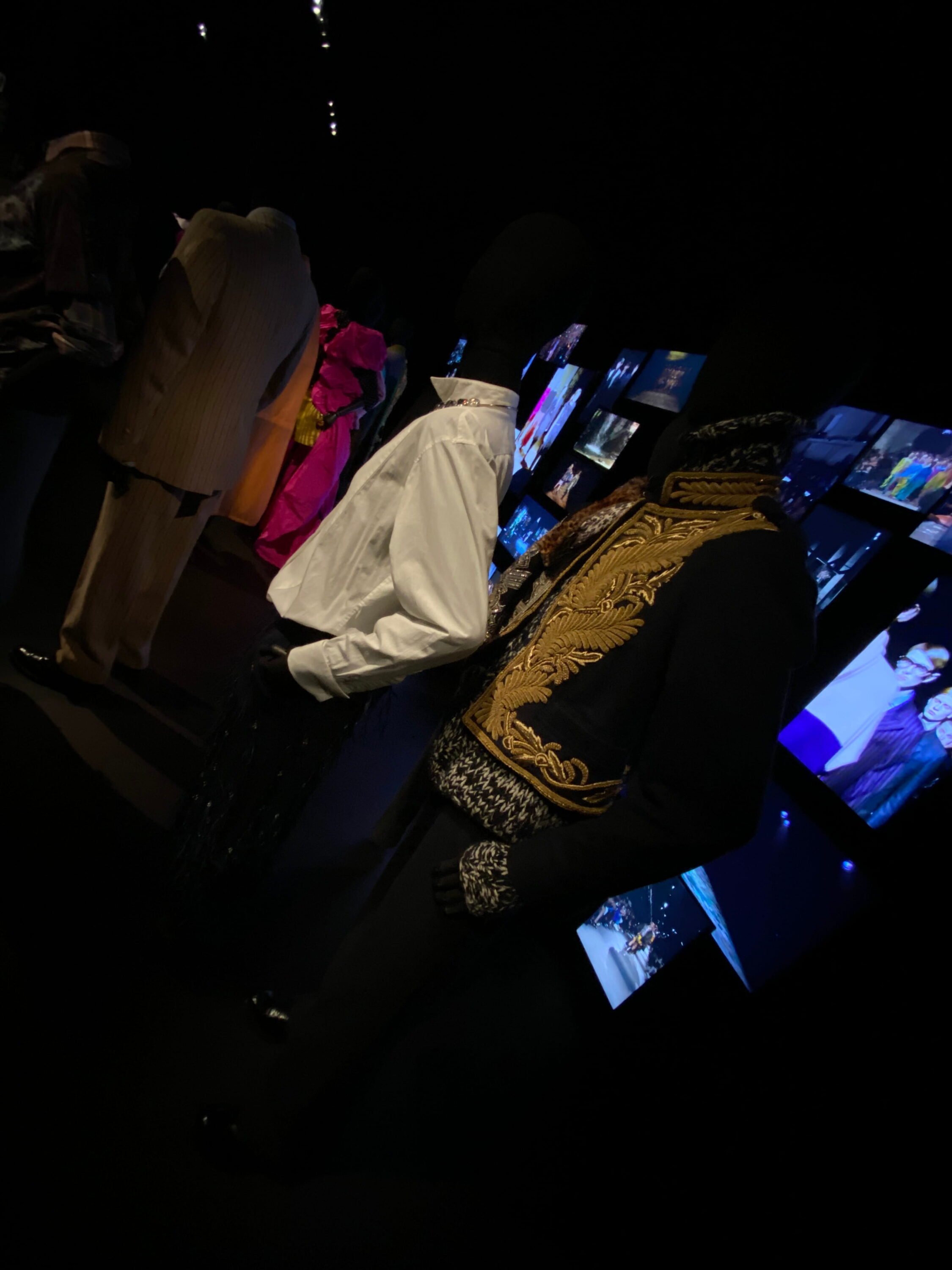
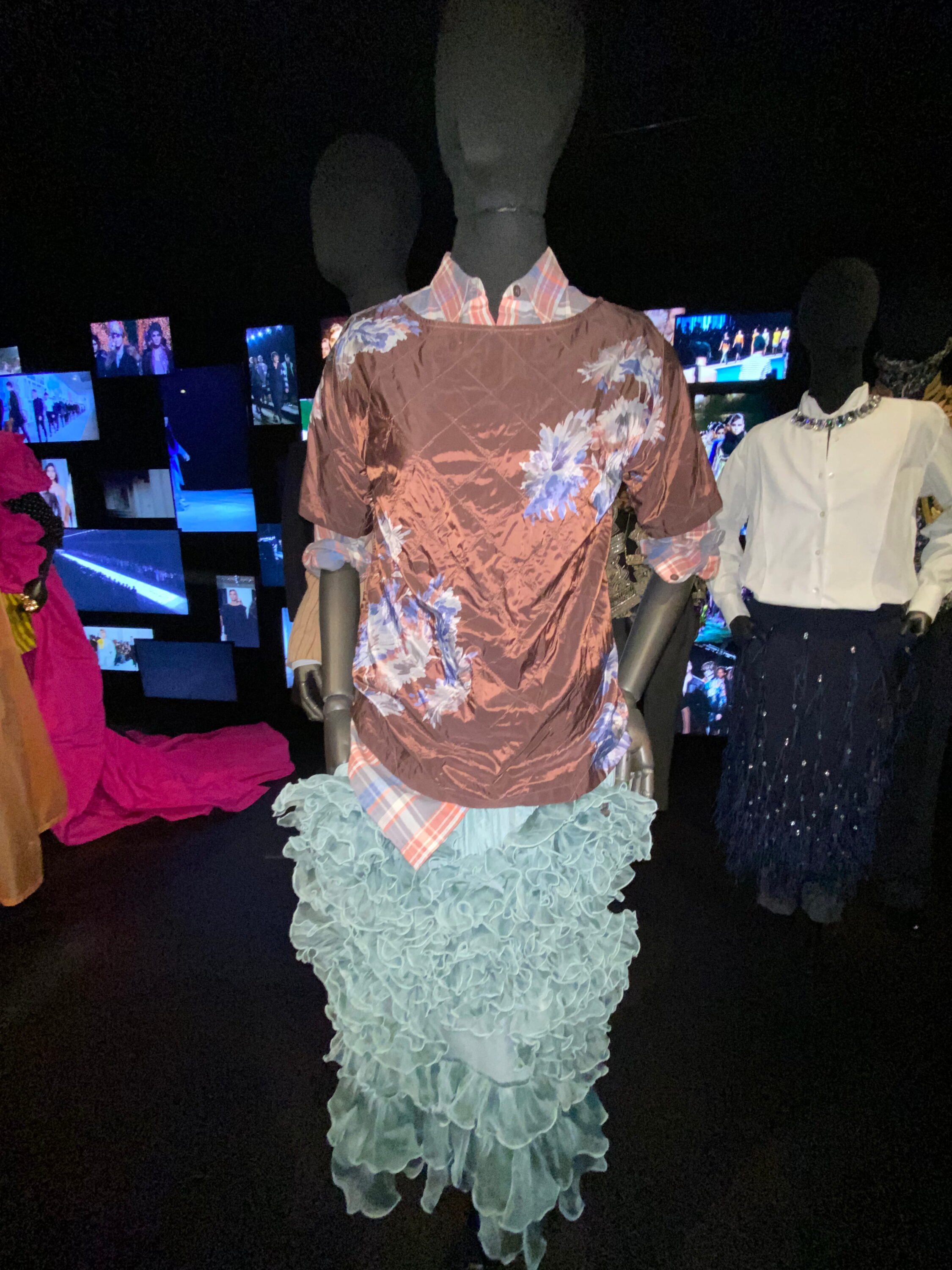
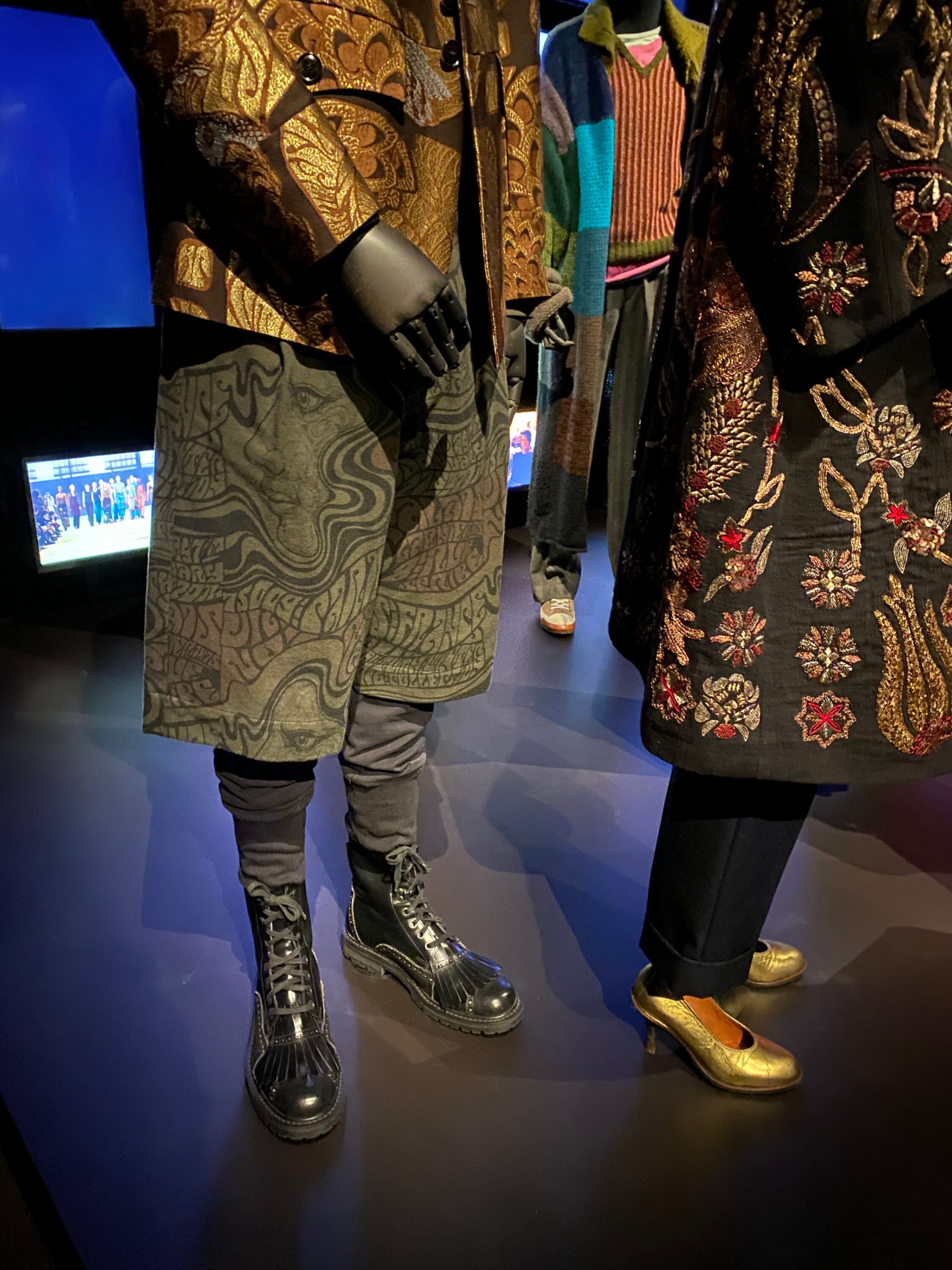
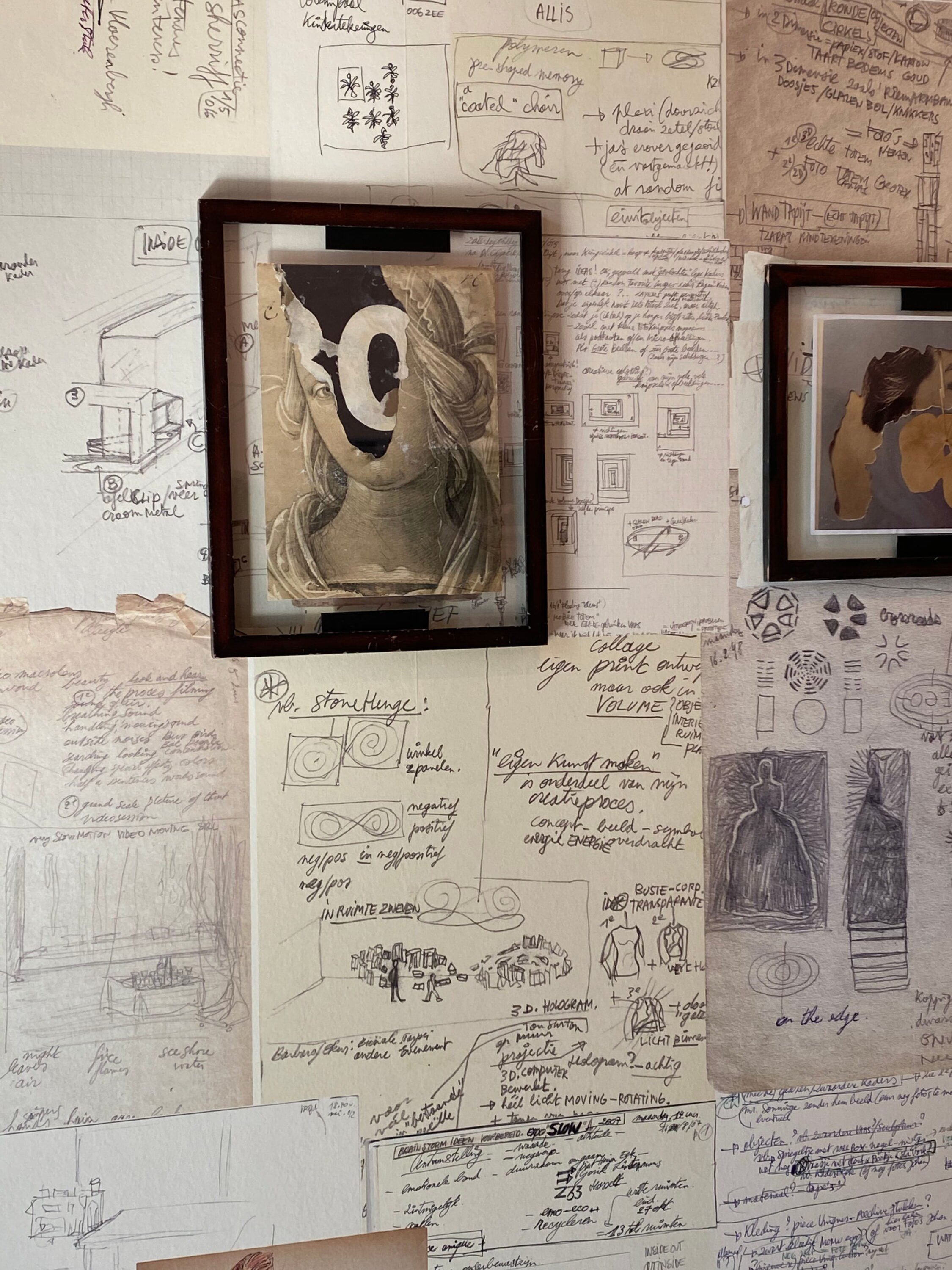
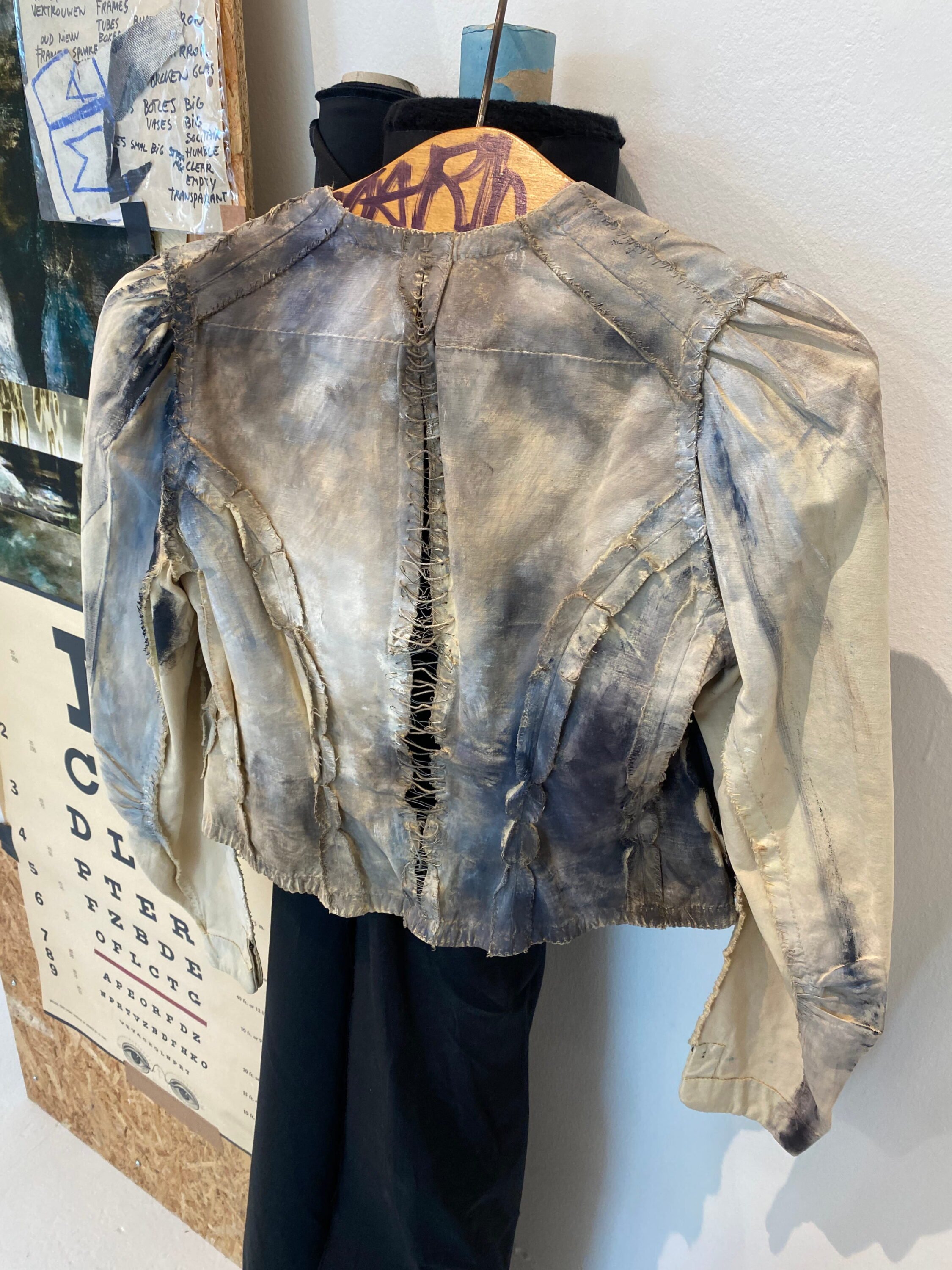
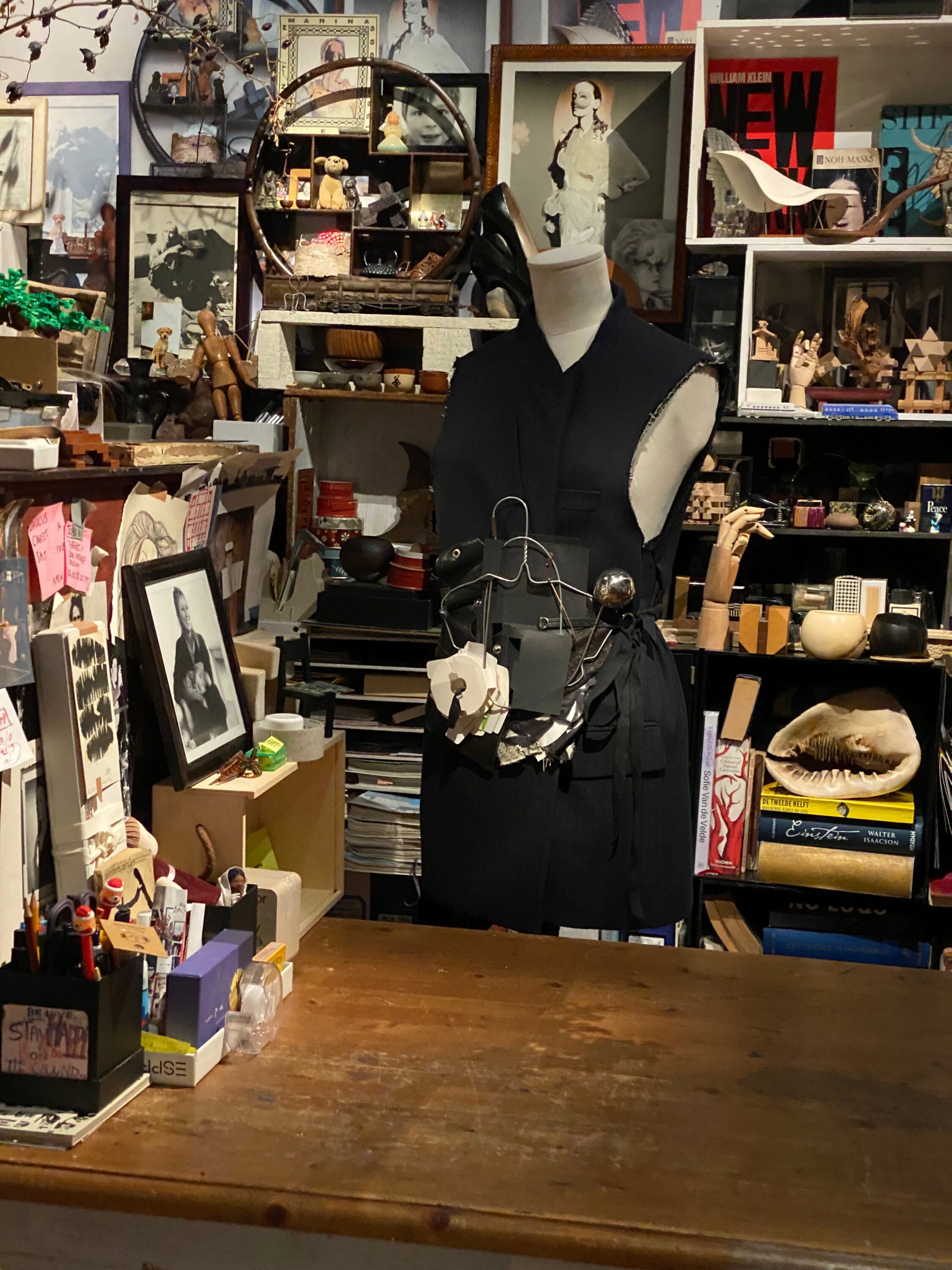
Marina Yes‘s site is closed. I peer through the windows into a room with remnants from his studio, where he lived and worked: old wooden floors, parts of old projects, discarded tools, paintings, photographs, nostalgic trash and trinkets. Yee’s paintings and collages stretch across the walls. Inspired by Duchamp, he often bought used and damaged goods, restored them and presented them in new situations where their beauty was evident.
“He inspired us all,” Bruloot remembers, touchingly. “And she introduced fashion.” Yee passed away last year – “but we were lucky to have his work with us in his part of the show” – says Kaat Debo, director of MoMu. Yee was known to be highly intelligent, an outstanding artist, and strikingly beautiful. “We are soldiers of her beauty,” Sofie Van de Velde tells me from her eponymous gallery, where an exhibition of Yee’s artworks is currently on view.
Around the corner, “Jesse’s Song” by Nick Cave and Warren Ellis blares from the big black speakers.
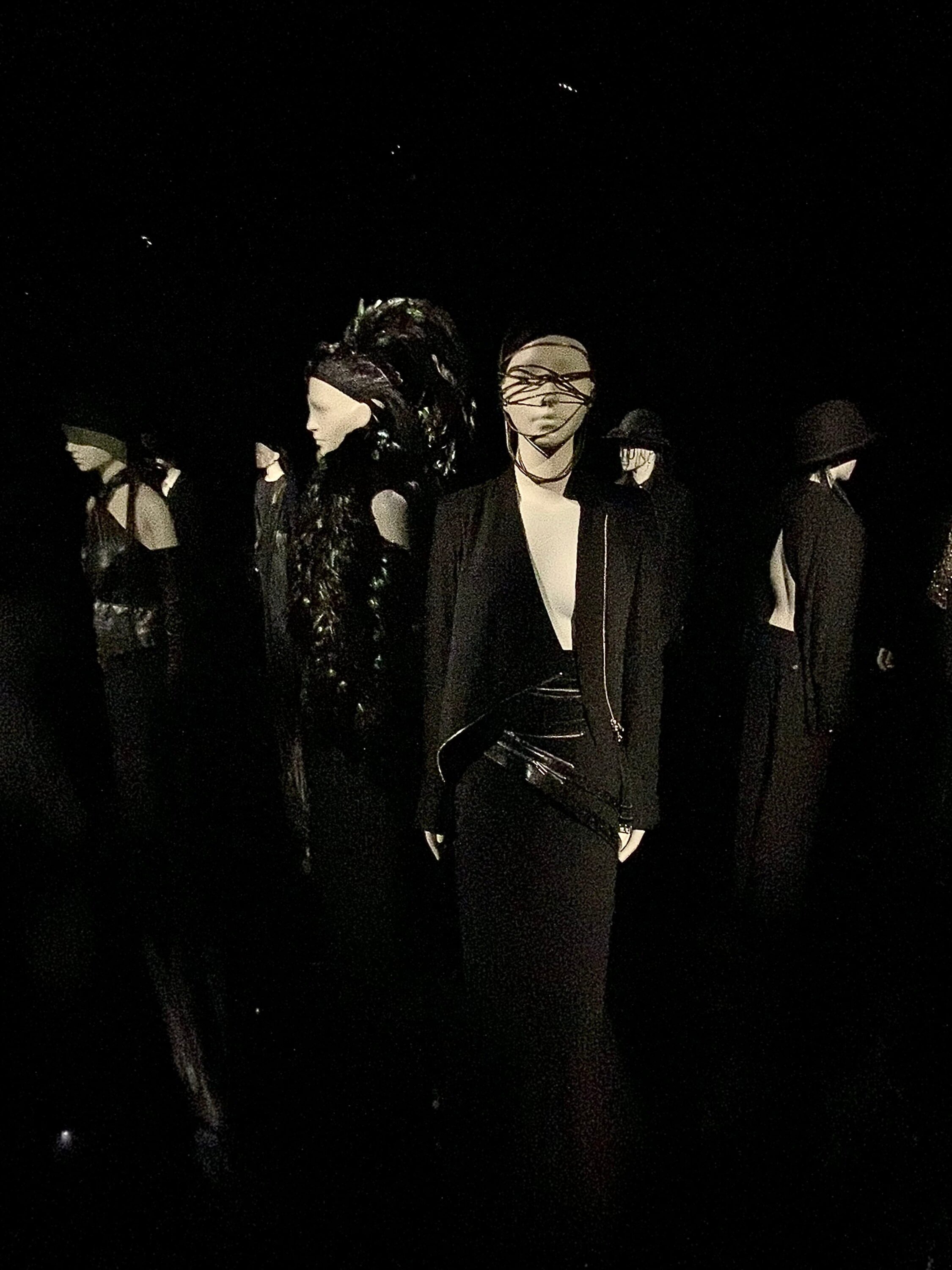
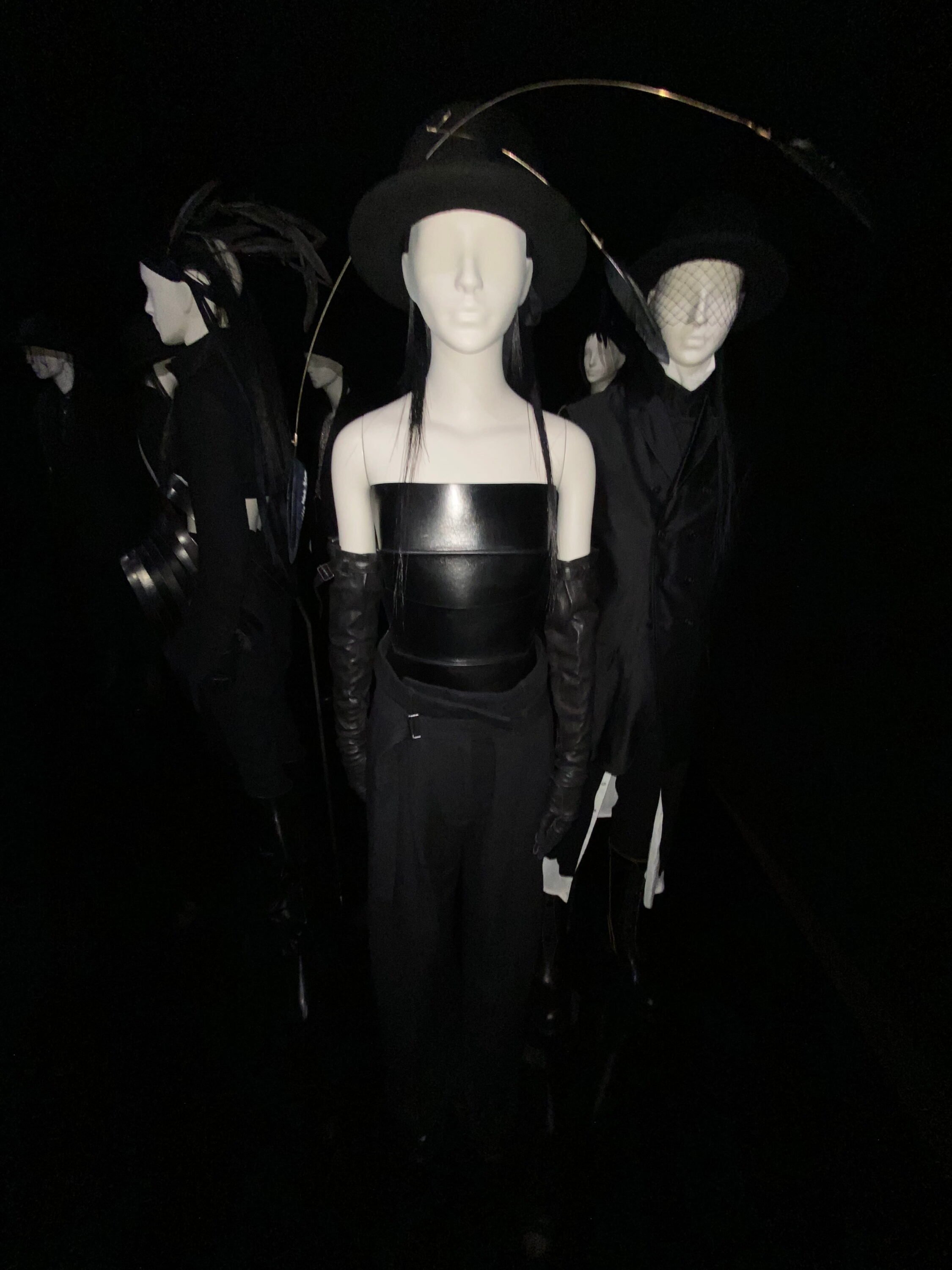
It’s the end. Ahextreme lady. Rejecting old fashioned feminism. A dark, abandoned love affair: Ann Demeulemeester.
The room is a veritable jungle of black—mannequins, velor walls, oiled floors, hats, skins, feathers—perfect images of beauty in the dark. Demeulemeester turned fashion into a culture, where cut and fabric communicate, and his brand became a religion. “I didn’t have to do anything,” Bruloot laughs. I knew what I was going to get. I would be black. I had full confidence that it would be perfect. And it’s a great way to end the show.
And so it is.
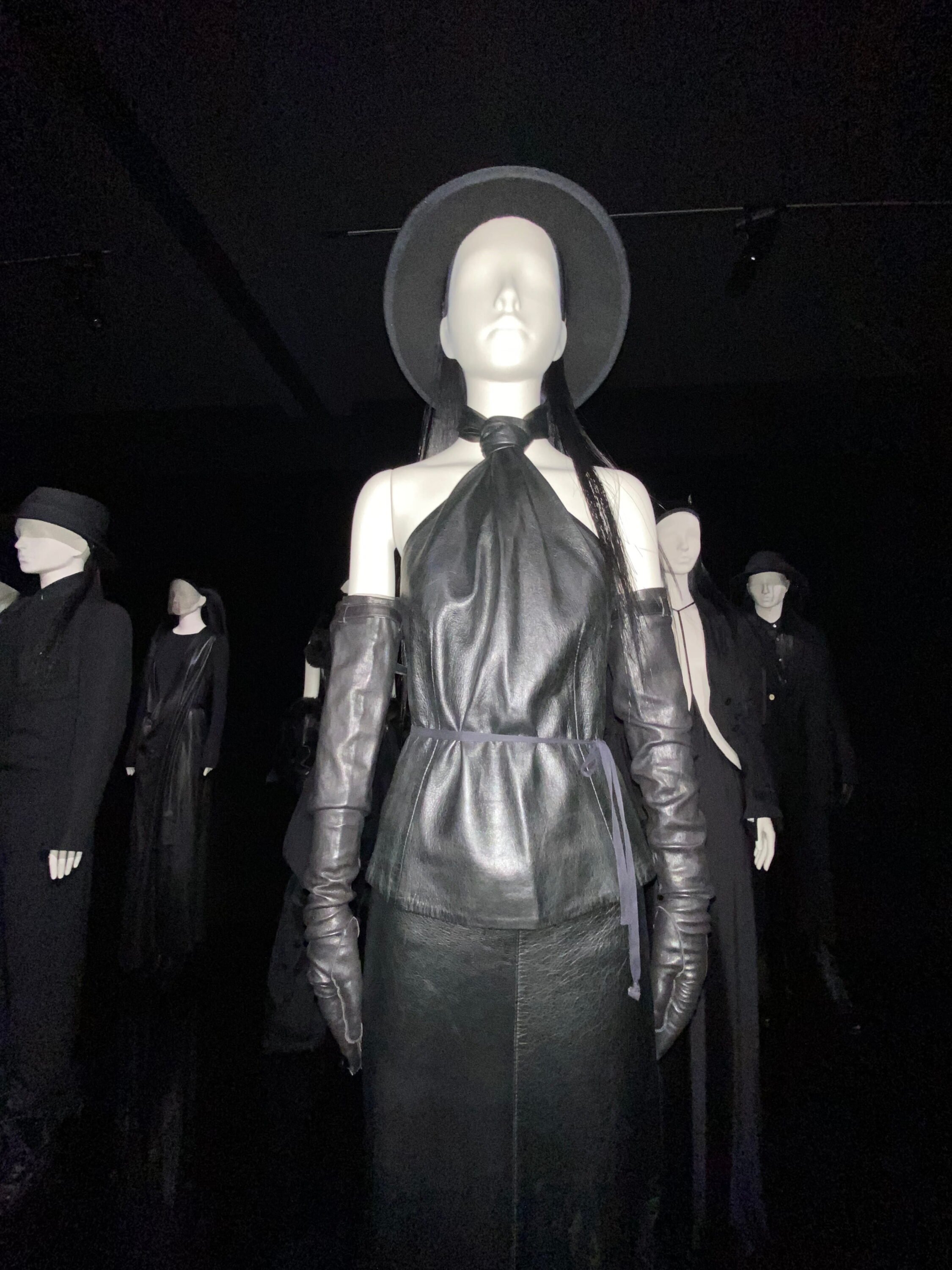
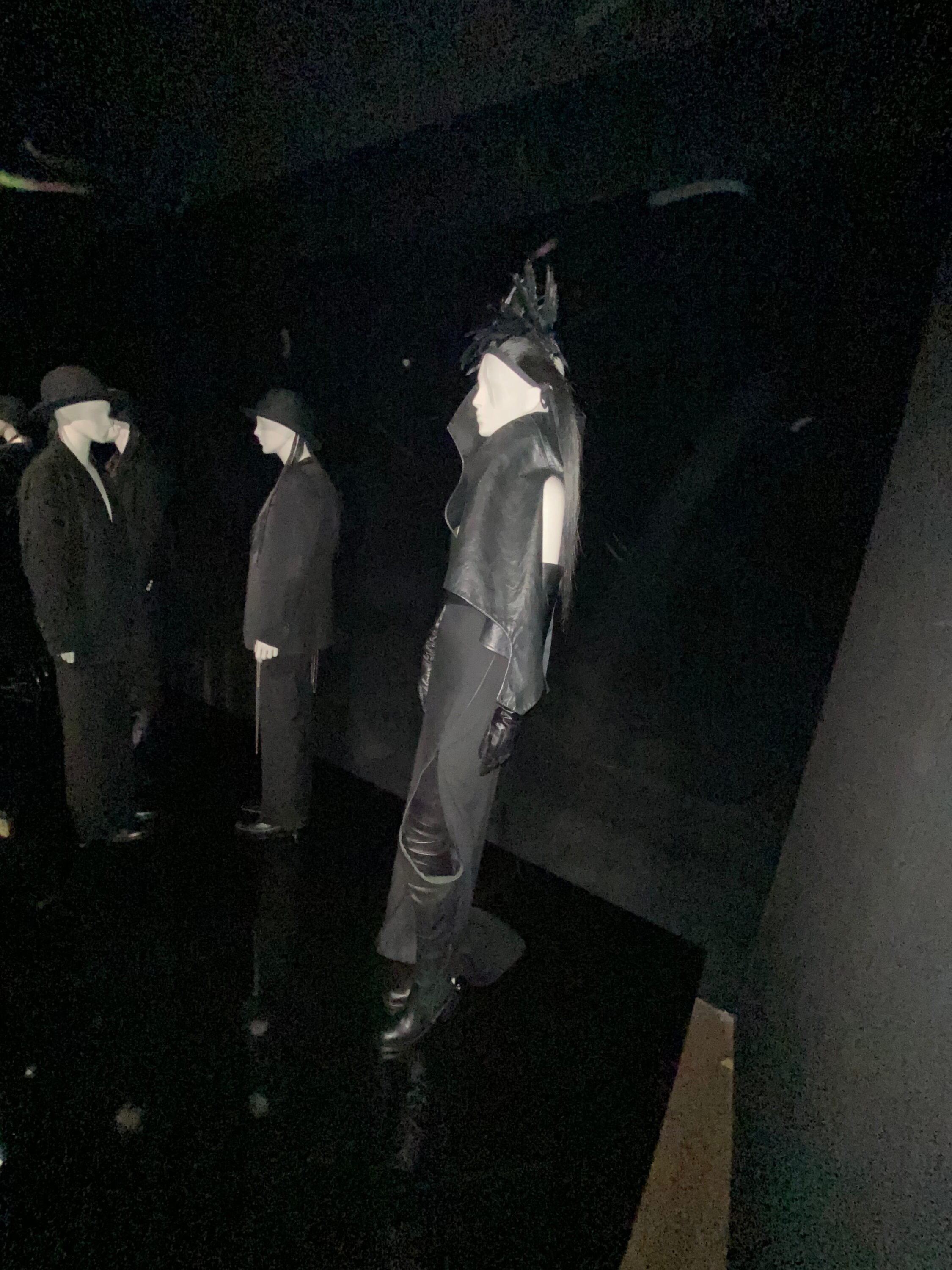
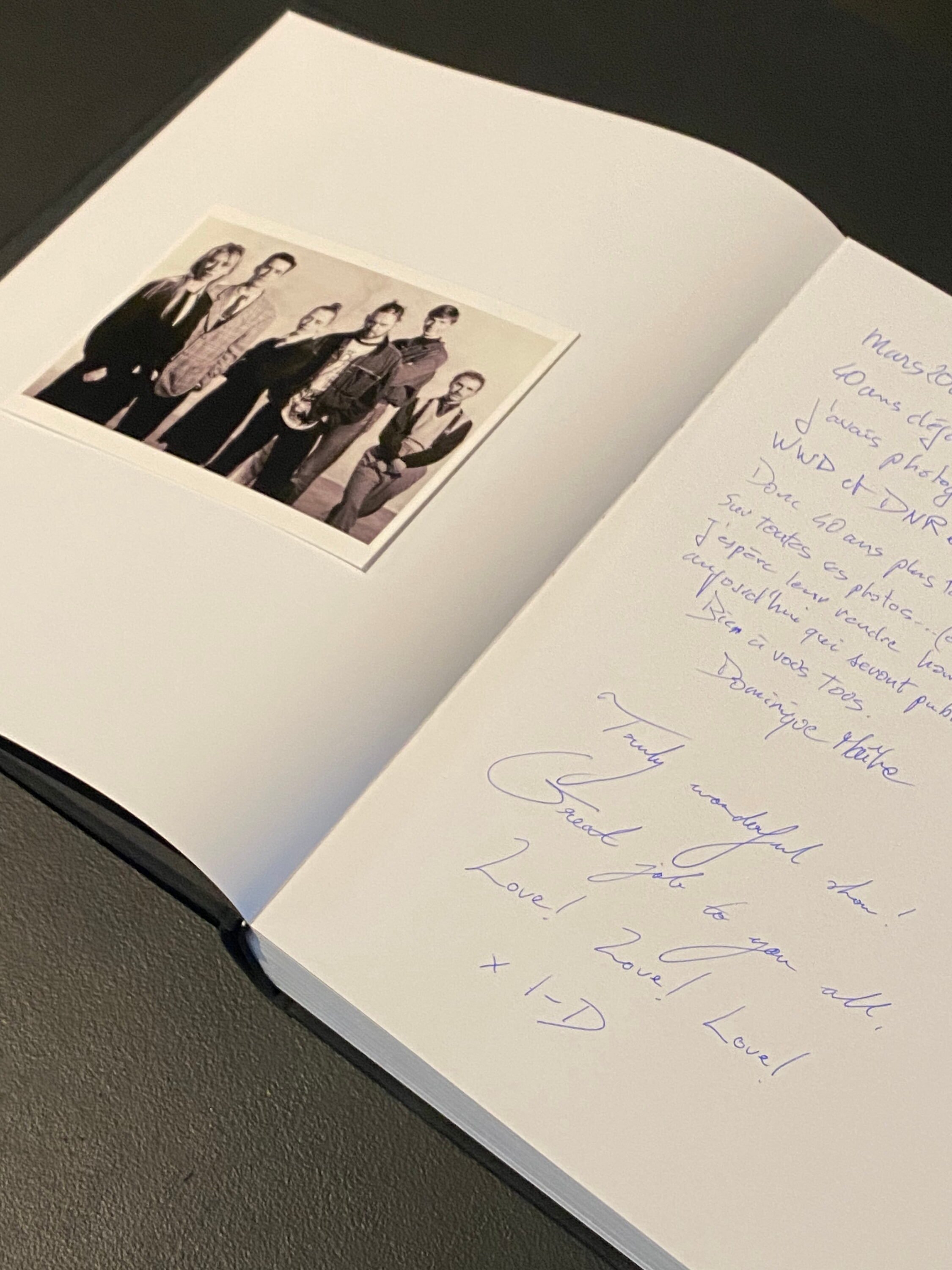
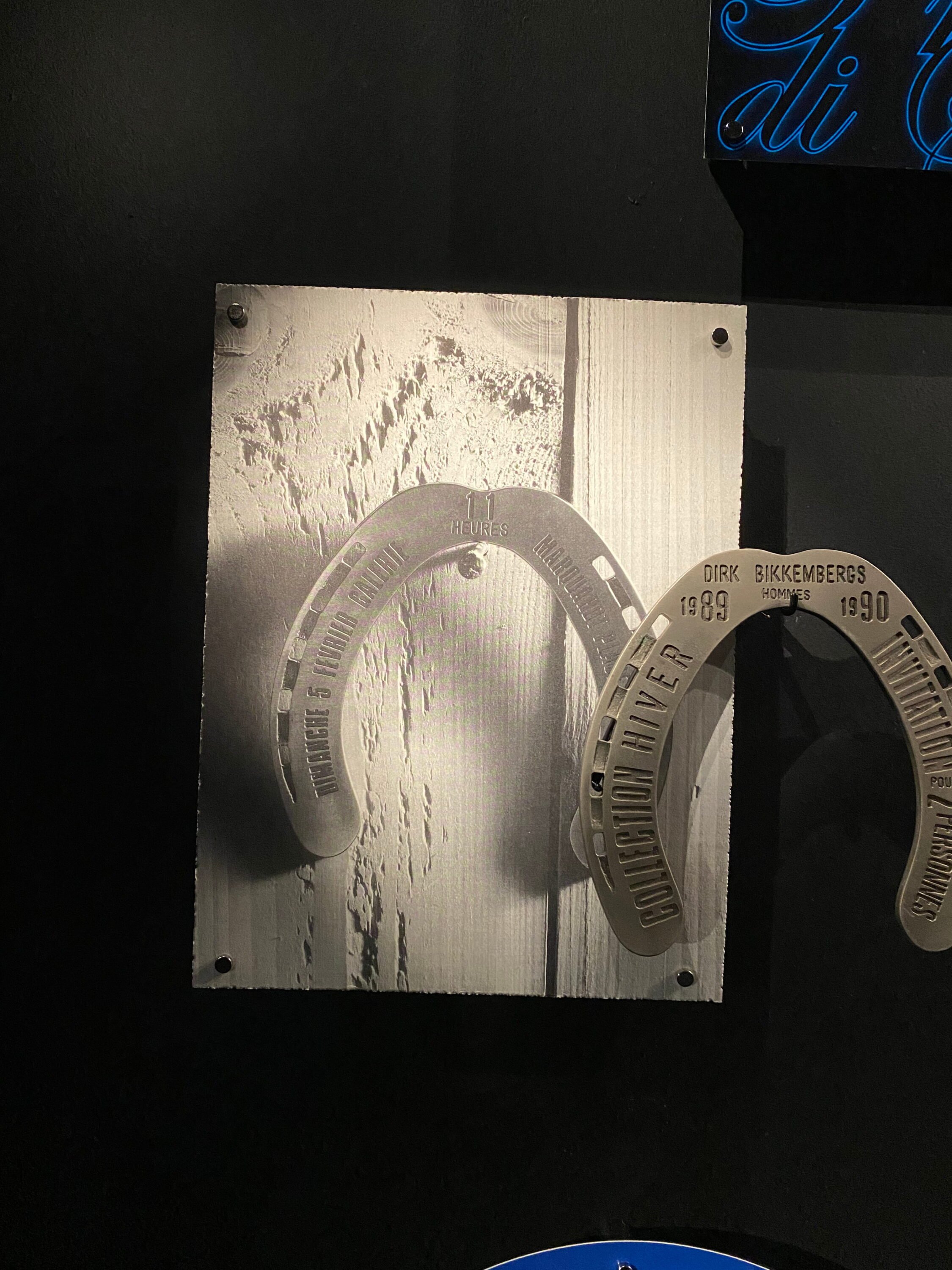
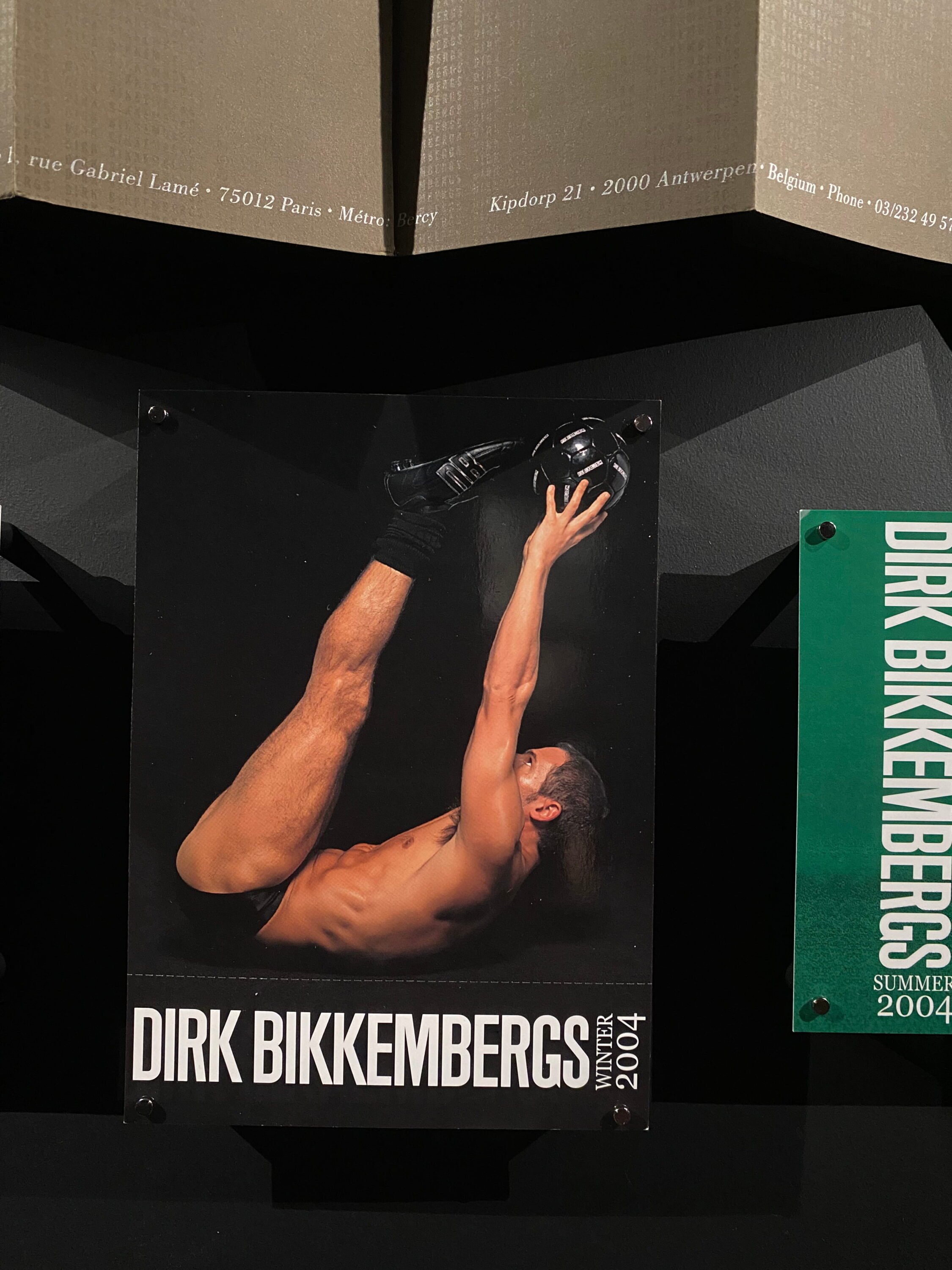
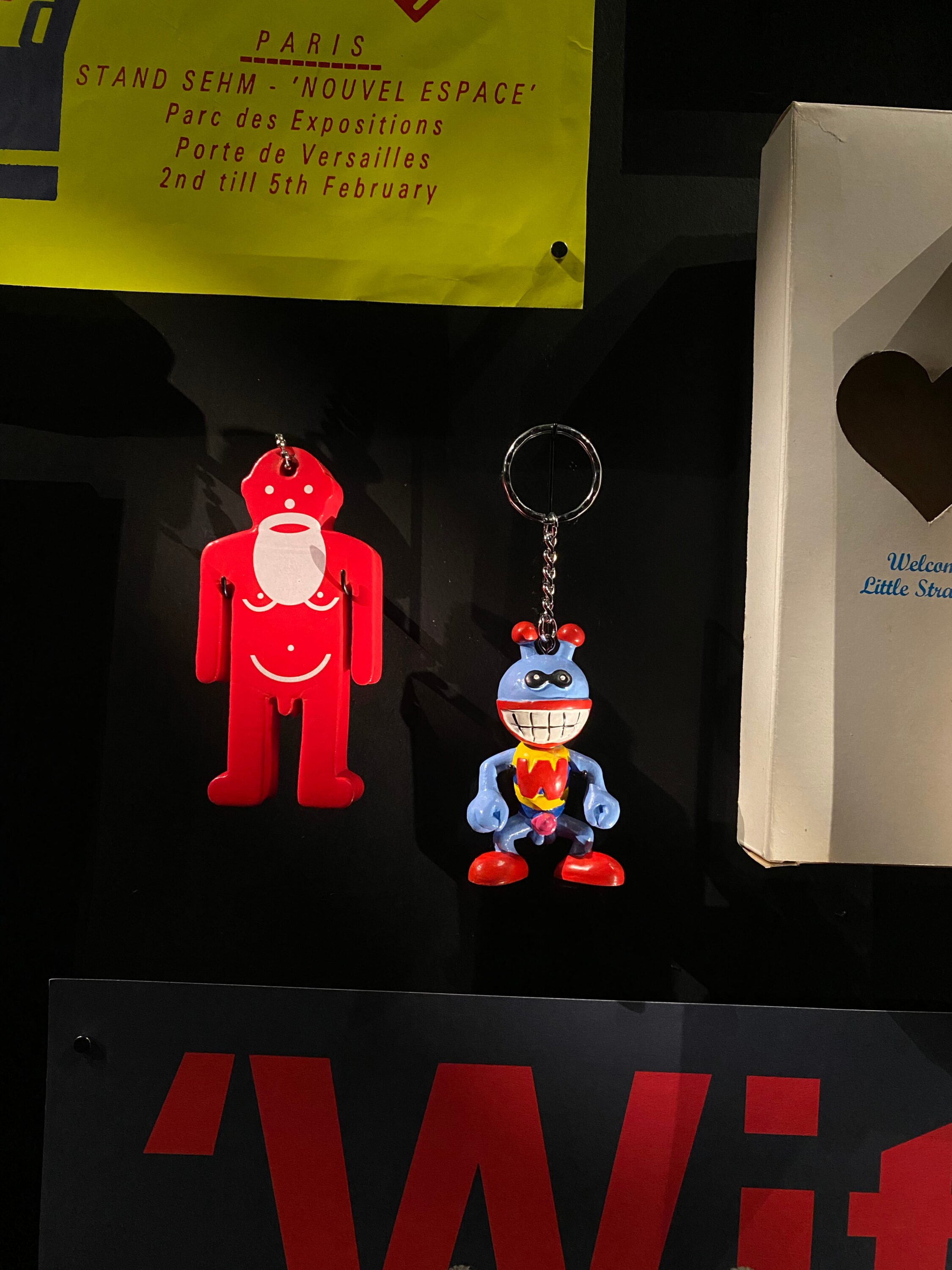
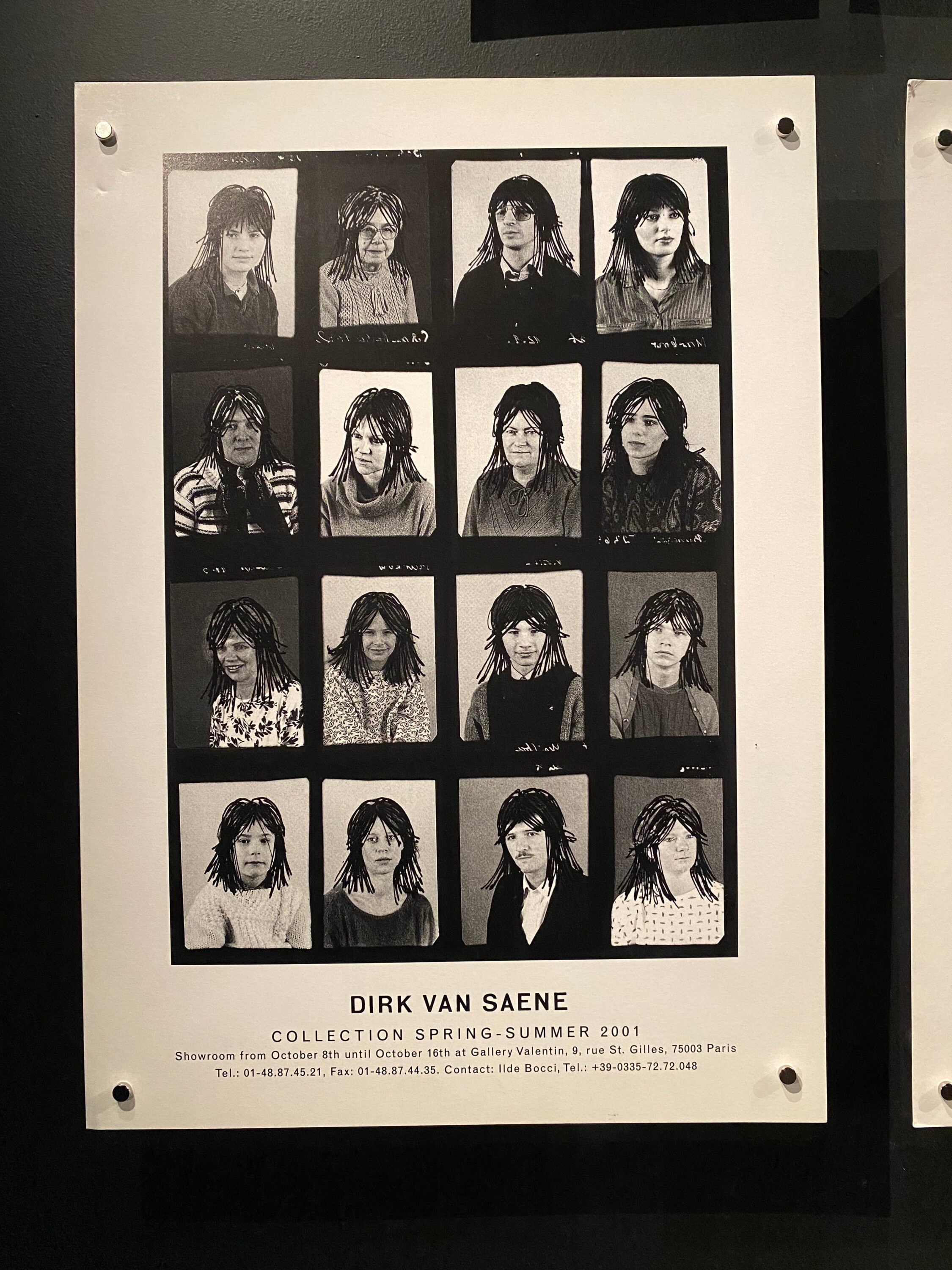
I go through the designer invitation display cabinets from over the years. Everything is different forever. There is no shared aesthetics between them. There’s no pattern to the scene, really. What you see instead are six unique talents that emerged together, bringing the strange, the exaggerated, the unheard—the mood, the personality, the undiscovered—to fashion and making history.
Flowers from Belgium that have traveled around the world.
MoMu’s The Antwerp Six runs from March 28, 2026 to January 17, 2027.
#Selfie #Ann #Demeulemeester