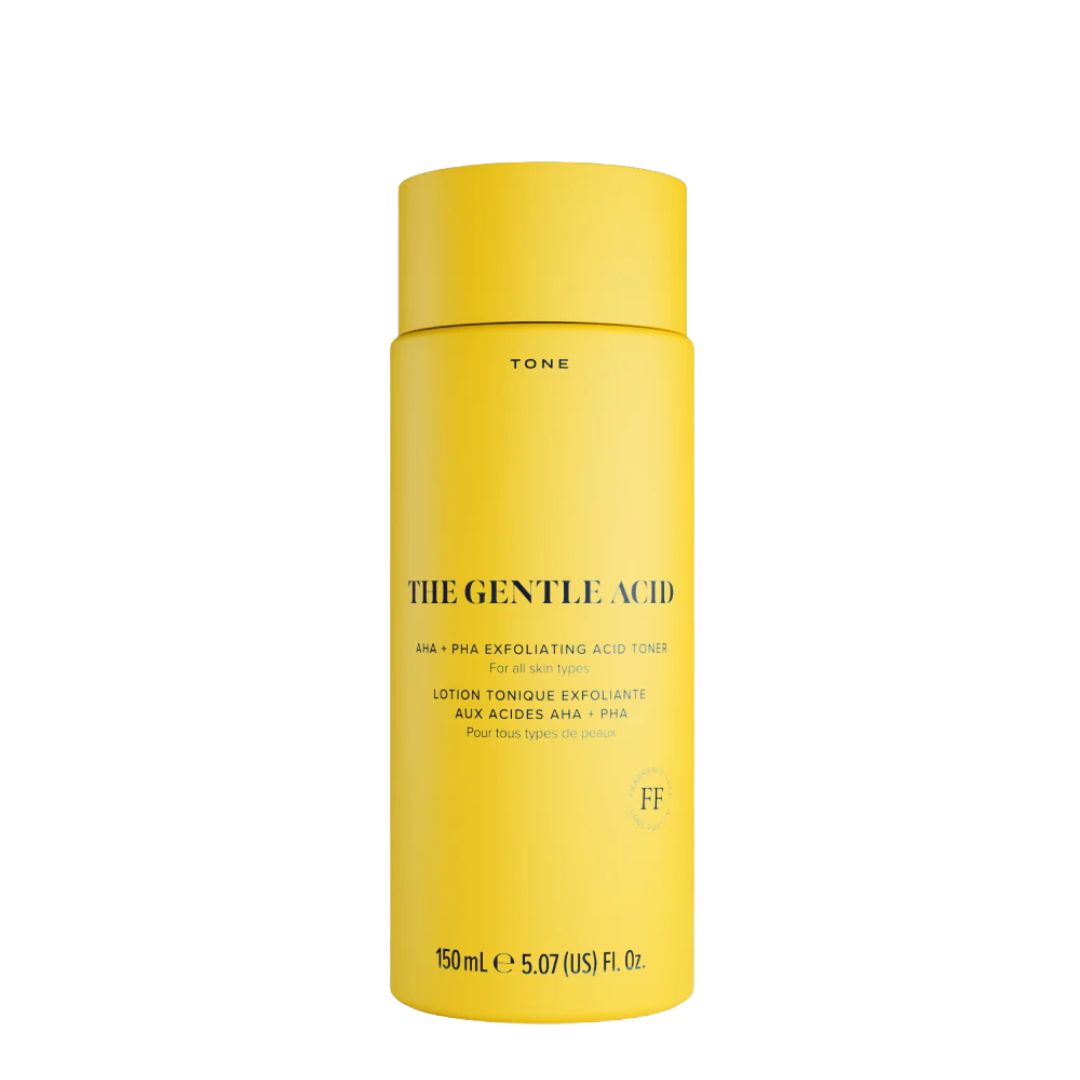
Acid exfoliators come in many types and strengths – some are very strong and need to be incorporated into your routine gradually (glycolic acid, I’m looking at you) and others are gentle enough to be used on very sensitive skin types. Ultimately, though, they all have the same goal: to remove dead skin cells and reveal a brighter, smoother skin underneath.
As someone with sensitive, acne-prone skin, I’ve always been very attracted to lactic acid. Not only is it one of the mildest AHAs on the market (meaning it doesn’t make my skin break out or break out), but it also has a hydrating effect, making my skin glow better every time I use it.
And it’s not just for the face, either. As one of the mildest chemical exfoliators, lactic acid is also good for the body—it provides a subtle but effective way to exfoliate and moisturize the skin. keratosis pilaris without stinging the delicate skin or causing further breakouts.
The article continues below
But what is it really? i lactic acid? What is the best way to incorporate it into your schedule? More importantly, there are many acids that contain lactic acid serums, cleanersand essences to choose from, which products are really worth investing in? If you’re looking for an in-depth guide on lactic acid, you’ve come to the right place. I asked Consultant Dermatologists Dr. Derrick Phillips and Dr. Aiza Jamil for their expert insight into this widely used skincare ingredient.
What is Lactic Acid?
“Lactic acid is a simple alpha hydroxy acid (AHA) derived from the fermentation of lactose found in milk, and is an ingredient widely used in skin care”, says Dr. Phillips. “It is a versatile ingredient that can help deal with many skin problems but is best known for its ability to promote cell turnover, helping to improve skin texture and radiance”. Despite its name, Dr. Jamil assures me that most versions used in skincare are synthetic and vegan-friendly. “It’s one of the mildest chemical exfoliants,” she says.
Skin Rocks
Simple Acid

So what is the science behind it? “Lactic acid works by breaking down the bonds between dead skin cells on the outer layer of the skin, allowing them to be shed more easily,” explains Dr Phillips. “This process helps to produce fresher, brighter skin, while supporting clear pores by reducing the accumulation of dead skin cells on the surface.” Dr Jamil continues: “Compared to other, stronger AHAs such as glycolic acid, lactic acid is a larger molecule, so it absorbs more slowly and can reduce skin irritation.
One thing I love about lactic acid is how hydrating it is, it makes my skin feel hydrated without feeling heavy or greasy. Dr. Phillips explains that this is because lactic acid also acts as an emollient, drawing water into the skin and supporting the flow of water along with exfoliation. He says: “As part of the natural moisturizers, it helps to maintain moisture levels and keep the skin soft and supple. “Regular use can help improve the overall texture of the skin, support the skin even more and reduce the appearance of discoloration”.

Biosance
Squalane and Lactic Acid Resurfacing Serum

Oskie
Liquid Mask Lactic Acid Micro-Peel
What skin type is suitable for lactic acid?
Lactic acid hydrates as it gently softens, making it perfect for those with dry and sensitive skin. Both of our experts have indicated that it is also important for those who want to deal with dullness, fine lines, uneven skin, and mild hyperpigmentation. But despite being hailed as a savior of delicate skin, Dr. Jamil still advises caution for those with a damaged skin layer or active or inflamed acne: “I recommend staying away from acids, as lactic acid is mild compared to others, it can still be aggressive or piercing”, he says.
How to incorporate lactic acid into your skin care regime
It is difficult to find a product that contains lactic acid I couldn’t it can be used in everything from cleansers and lotions to serums and moisturisers. Dr. Phillips tells me that this hero compound can be activated in many ways, but as with any effective compound, it is introduced slowly and used in conjunction with a gentle, supportive barrier.
“Starting with a lactic acid lotion provides an easy way to exfoliate and keep pores clear, without damaging the skin’s barrier,” she says, but using a serum is often the most effective method. “As it allows you to take advantage of the exfoliating and hydrating properties of lactic acid in a more targeted way”.
It pairs well with other active ingredients, allowing you to get more skin care benefits from fewer products. For example: “Genaura Levagen + Smart Face Serum, lactic acid is combined with ingredients such as palmitoylethanolamide, niacinamide and panthenol,” says Dr Phillips. “This allows you to combine gentle exfoliation with barrier support and anti-inflammatory benefits, helping to improve overall skin texture, hydration and tone.”

Just fine
Levagen + Smart Face Serum

Victoria Beckham
The Daily Cleaning Protocol
Dr. Jamil points out that because of their exfoliating effects, it’s best to use any acid as part of your night routine, after cleansing and before your moisturizer (if you’re using it as a serum). He also emphasizes the importance of introducing the mixture gradually. He says: “I used to mix it two to three times a week at a low level of 5 to 10%. I would avoid dressing with strong retinoids or other acids, as this can be very aggressive on the skin. He also points out that AHAs increase sensitivity to the sun, so it is important to always wear a high SPF during the day.

The Ordinary
Lactic acid 5% + HA

Paula’s choice
Perfect Skin with 8% AHA Gel
How can lactic acid be used in the body?
Skin care is really hands-on, and using ingredients like lactic acid can boost the performance of our body lotions, cleansers, and serums. Dr. Jamil tells me that lactic acid in body care can be very helpful for people with dry wounds, rough skin, keratosis pilaris or ingrown hairs (goodbye. an uncomfortable bikini line).
So which lactic acid products should we be aware of? “You can find body lotions or serums that have lactic acid in them, usually around 10 to 12%,” says Dr Jamil. “These can be used every day to start and work up to every other day if needed, as the skin on your body is tougher than the skin on your face.” So the smoothing, hydrating effects of lactic acid can be transferred to the rest of my body? Amazing.

Nature
The Smoother Glycolic Acid Exfoliating Body Wash

Ameliorate
Body Changing Lotion
#Lactic #Acid #Gentle #Hydrating #Exfoliator #Favorite #Experts